Linda
Linda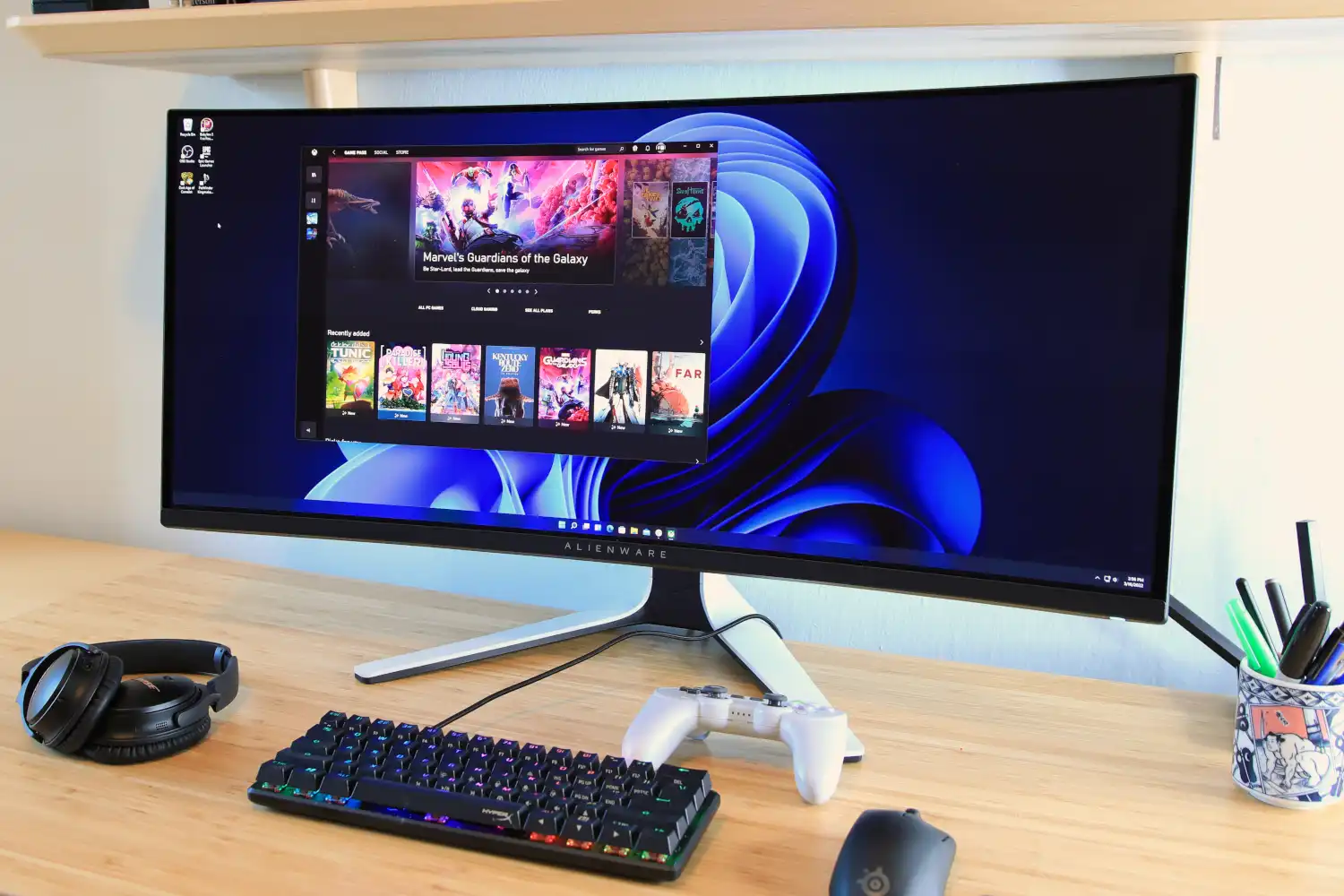
A monitor is one of the most essential components of a computer setup, whether you’re using it for work, entertainment, gaming, or creative projects. The display you choose can significantly impact your overall computing experience. With various types of monitors available today, it can be overwhelming to pick the right one. In this guide, we will explore the different types of monitors, key features to consider, and tips to help you select the best monitor that suits your needs.
What is a Monitor?
A monitor, often referred to as a display or screen, is an output device that visually displays information from a computer. It is the primary interface through which users interact with their computer system. The monitor’s performance is determined by factors such as resolution, screen size, refresh rate, and panel technology. Whether you’re working, gaming, or watching content, the monitor price in bd quality plays a crucial role in delivering a satisfying experience.
Types of Monitors
Monitors can be broadly classified into different categories based on their display technology, intended usage, and features. Here are the most common types of monitors:
1. LCD (Liquid Crystal Display) Monitors
LCD monitors are one of the most widely used types. These monitors use liquid crystals between two layers of glass or plastic. The liquid crystals align to form images when an electrical current passes through them. They are relatively affordable and energy-efficient but tend to have limitations in terms of color accuracy and contrast.
2. LED (Light Emitting Diode) Monitors
LED monitors are essentially a type of LCD monitor that uses LED backlighting instead of traditional fluorescent lighting. This makes them brighter, more energy-efficient, and capable of delivering better contrast and colors. There are edge-lit and backlit LED monitors, with backlit models offering superior picture quality and deeper blacks.
3. OLED (Organic Light Emitting Diode) Monitors
OLED monitors are a premium option, known for their excellent color accuracy and deep blacks. Unlike LCD and LED monitors, OLED displays don’t rely on a backlight, as each pixel emits its own light. This results in superior contrast, vibrant colors, and faster response times. OLED monitors are typically preferred by professionals working in design and content creation due to their exceptional display quality.
4. Curved Monitors
Curved monitors are designed with a slight curve in the screen to enhance the viewing experience. The curve allows for better viewing angles, reduces distortion, and provides an immersive feel. These monitors are particularly favored by gamers and those who want to make the most of ultrawide displays. Curved screens help to create a more natural and comfortable viewing experience by matching the curvature of the human eye.
5. Ultrawide Monitors
Ultrawide monitors have an aspect ratio wider than the typical 16:9 ratio, usually 21:9 or even 32:9. These displays provide more screen space, allowing users to multitask effectively and enjoy an immersive experience when watching movies or playing games. Ultrawide monitors are perfect for video editors, graphic designers, and gamers who want an expansive, high-quality display without the need for a dual-monitor setup.
6. Touchscreen Monitors
Touchscreen monitors allow users to interact with their computers by directly touching the screen with their fingers or a stylus. These monitors are ideal for creative professionals, digital artists, and anyone who needs a hands-on interface. They are also commonly used in kiosks, interactive displays, and POS (Point of Sale) systems.
7. Gaming Monitors
Gaming monitors are designed to meet the specific demands of video gamers. These monitors typically feature high refresh rates (120Hz or higher), fast response times (1ms to 5ms), and support technologies like NVIDIA G-Sync or AMD FreeSync to reduce screen tearing and stuttering. These features make gaming monitors a top choice for competitive gamers who need a smooth and responsive gaming experience.
Key Features to Consider When Buying a Monitor
When choosing a hp monitor price in bangladesh several key factors will influence the overall experience. Here’s a breakdown of the most important features to consider:
1. Screen Size
Monitor sizes range from small 19-inch screens to ultra-large 34-inch or even larger displays. For general office work, a 24-inch to 27-inch monitor is ideal. Larger monitors or ultrawide monitors are great for those who need more screen real estate for multitasking, gaming, or content creation.
2. Resolution
Resolution refers to the number of pixels displayed on the screen. The higher the resolution, the sharper and more detailed the image. Common resolutions include:
- HD (1366×768): Basic resolution for casual tasks.
- Full HD (1920×1080): Standard resolution for everyday use, gaming, and media.
- Quad HD (2560×1440): Offers a higher level of detail, ideal for professionals and gamers.
- 4K (3840×2160): Ultra-high-definition resolution perfect for video editing, gaming, and high-quality media viewing.
3. Refresh Rate
The refresh rate indicates how many times the screen refreshes per second, measured in Hertz (Hz). A higher refresh rate results in smoother motion. For general use, 60Hz is fine, but gamers should opt for monitors with 120Hz, 144Hz, or even 240Hz refresh rates to enjoy a smooth and fluid gaming experience.
4. Response Time
Response time measures how quickly a pixel can change colors, affecting how fast-moving objects appear on screen. A lower response time (1ms to 5ms) is ideal for fast-moving content like gaming and action movies. Higher response times can lead to ghosting or motion blur.
5. Panel Technology
The type of panel used in a monitor affects color accuracy, viewing angles, and response times:
- IPS (In-Plane Switching) panels offer excellent color accuracy and wide viewing angles, making them ideal for professional design work.
- TN (Twisted Nematic) panels are faster and cheaper but suffer from limited color accuracy and narrow viewing angles.
- VA (Vertical Alignment) panels offer higher contrast ratios and deeper blacks, making them suitable for watching movies and playing games in darker environments.
Conclusion
Choosing the right dell monitor price in bangladesh depends on your specific needs. Whether you are a professional looking for accurate color representation, a gamer seeking smooth performance, or someone simply needing a reliable display for everyday tasks, understanding the types and features of monitors will help you make the best decision. Keep in mind the key aspects like screen size, resolution, refresh rate, and panel technology to enhance your overall computing experience. A well-chosen monitor can significantly improve productivity, entertainment, and gaming, making it a crucial part of your setup.