alisha yousfe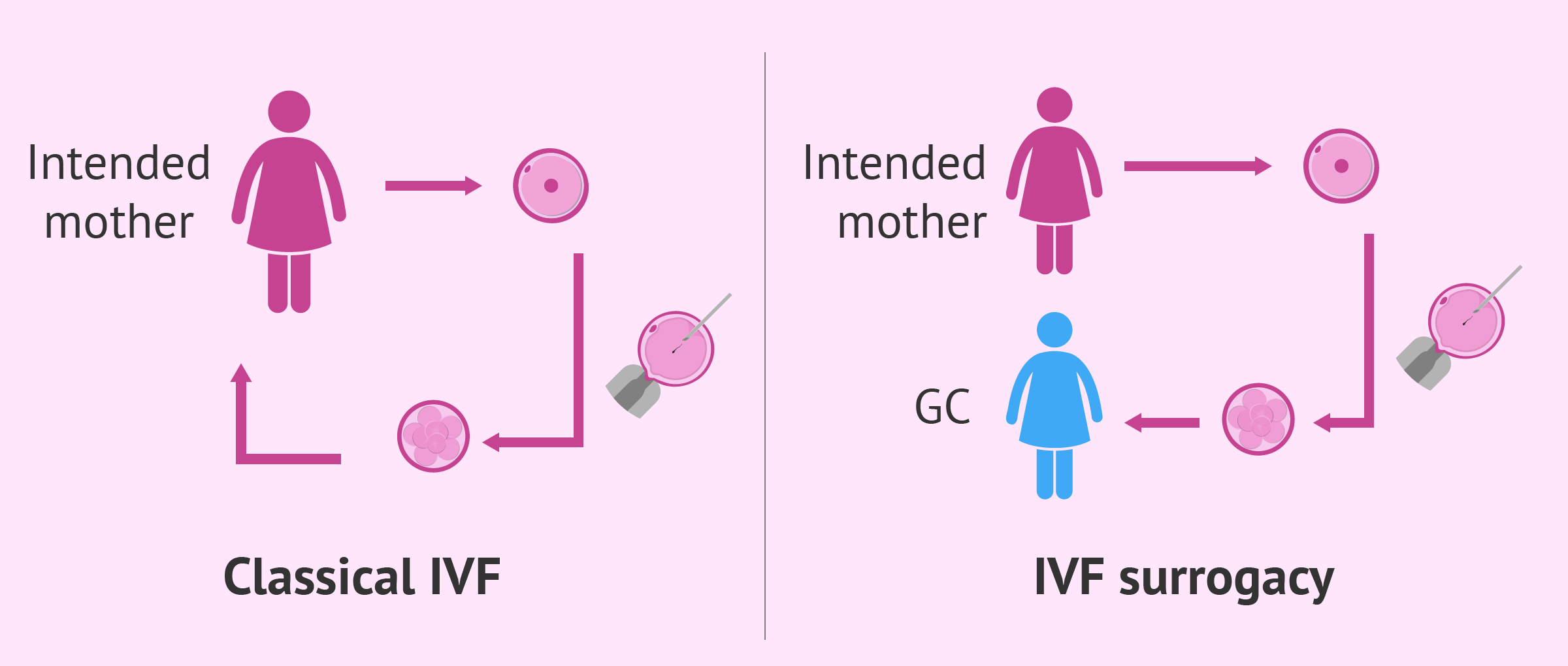
In recent years, the concept of surrogacy has gained significant attention as a viable option for individuals and couples facing infertility challenges. At the heart of this process is the surrogate mother, a woman who carries and gives birth to a child for another person or couple. This article delves into the intricacies of surrogacy, the role of a surrogate mother, and the emotional, legal, and ethical dimensions involved.
What is Surrogacy?
Surrogacy is a reproductive arrangement where a woman, known as the surrogate mother, agrees to conceive and carry a pregnancy for someone else, referred to as the intended parents. This arrangement can take various forms, including traditional surrogacy, where the surrogate uses her own eggs, and gestational surrogacy, where the surrogate carries an embryo created from the eggs and sperm of the intended parents or donors. Surrogacy provides a pathway to parenthood for many who might otherwise be unable to conceive due to medical, age, or personal reasons.
The Surrogate Mother’s Journey
Becoming a surrogate mother is a significant commitment that involves various steps and considerations. Initially, prospective surrogates undergo a thorough screening process to assess their physical and mental health. This includes medical evaluations, psychological assessments, and background checks. The goal is to ensure that the surrogate is capable of handling the emotional and physical demands of pregnancy and childbirth.
Once matched with intended parents, the surrogate mother enters into a legal contract outlining the responsibilities and expectations of all parties involved. This contract is crucial in protecting the rights of the surrogate, intended parents, and the unborn child. It typically covers compensation, medical expenses, and the process of relinquishing parental rights after birth.
Throughout the pregnancy, the surrogate mother receives medical care, including regular check-ups and prenatal vitamins. Emotional support is also vital, as the surrogate may experience a range of feelings about her role and the impending birth. Open communication between the surrogate and the intended parents can foster a supportive relationship, helping to navigate any emotional complexities that arise.
The Emotional Aspects of Surrogacy
The journey of a surrogate mother is not solely physical; it is profoundly emotional. Many surrogates report feelings of pride and fulfillment in helping others achieve their dreams of parenthood. However, the emotional landscape can be complex. Surrogates may encounter feelings of attachment to the baby they are carrying, leading to questions about their role and the implications of handing over the child after birth.
Support networks, including mental health professionals and support groups, can provide essential resources for surrogates. These services help address any emotional challenges and ensure that surrogates feel supported throughout the process. The relationship between the surrogate mother and the intended parents also plays a crucial role in shaping the emotional experience. A positive, respectful partnership can enhance the journey for everyone involved.
Legal Considerations in Surrogacy
The legal framework surrounding surrogacy varies significantly across different countries and even within regions of the same country. In some areas, surrogacy is fully legal and regulated, while in others, it may be banned or have ambiguous legal standing. It is crucial for intended parents and surrogates to understand the laws that apply to their specific situation.
Legal contracts are essential in surrogacy arrangements. These contracts outline the rights and responsibilities of all parties and address issues such as parental rights, compensation, and medical decision-making. In many jurisdictions, it is advisable for both surrogates and intended parents to engage legal counsel to navigate the complexities of surrogacy laws.
In cases of gestational surrogacy, courts often recognize the intended parents as the legal parents of the child from birth, provided that the necessary legal steps have been taken. However, in traditional surrogacy, the surrogate mother may retain parental rights due to her genetic connection to the child. This distinction underscores the importance of legal clarity and preparation in surrogacy agreements.
Ethical Considerations in Surrogacy
Surrogacy raises various ethical questions that warrant careful consideration. One primary concern is the potential for exploitation of women, particularly in cases where surrogates are motivated by financial compensation. Ensuring that surrogates are treated with respect and fairness is paramount. Ethical surrogacy practices emphasize informed consent, adequate compensation, and comprehensive support for surrogates throughout the process.
Another ethical consideration is the impact of surrogacy on the child. Discussions about the child’s rights and identity are increasingly relevant, especially in cases where genetic material comes from donors. It is essential to consider how to address the child’s origins and the potential for future relationships with donors or surrogates.
The Future of Surrogacy
As societal attitudes toward family and parenthood continue to evolve, surrogacy is likely to remain a prominent option for many. Advances in reproductive technology, including in vitro fertilization (IVF) and genetic testing, have also transformed the surrogacy landscape. These technologies allow intended parents to make informed choices about their embryos, ensuring healthier outcomes and addressing genetic concerns.
Additionally, the increasing visibility of surrogacy in media and popular culture has sparked conversations about the experiences of surrogate mothers and intended parents. This dialogue can help demystify the process and encourage more people to consider surrogacy as a viable path to parenthood.
Conclusion
In conclusion, the role of a surrogate mother is multifaceted and significant in the realm of assisted reproduction. Surrogacy offers hope and fulfillment to many who struggle with infertility, enabling them to build families in ways that were previously unimaginable. Understanding the complexities of the surrogacy process—from the emotional and legal aspects to the ethical considerations—is essential for anyone considering this journey. By fostering open communication, providing adequate support, and adhering to ethical standards, surrogacy can be a rewarding experience for all parties involved. For those interested in exploring this option further, visit here for more information and resources.