Linda
Linda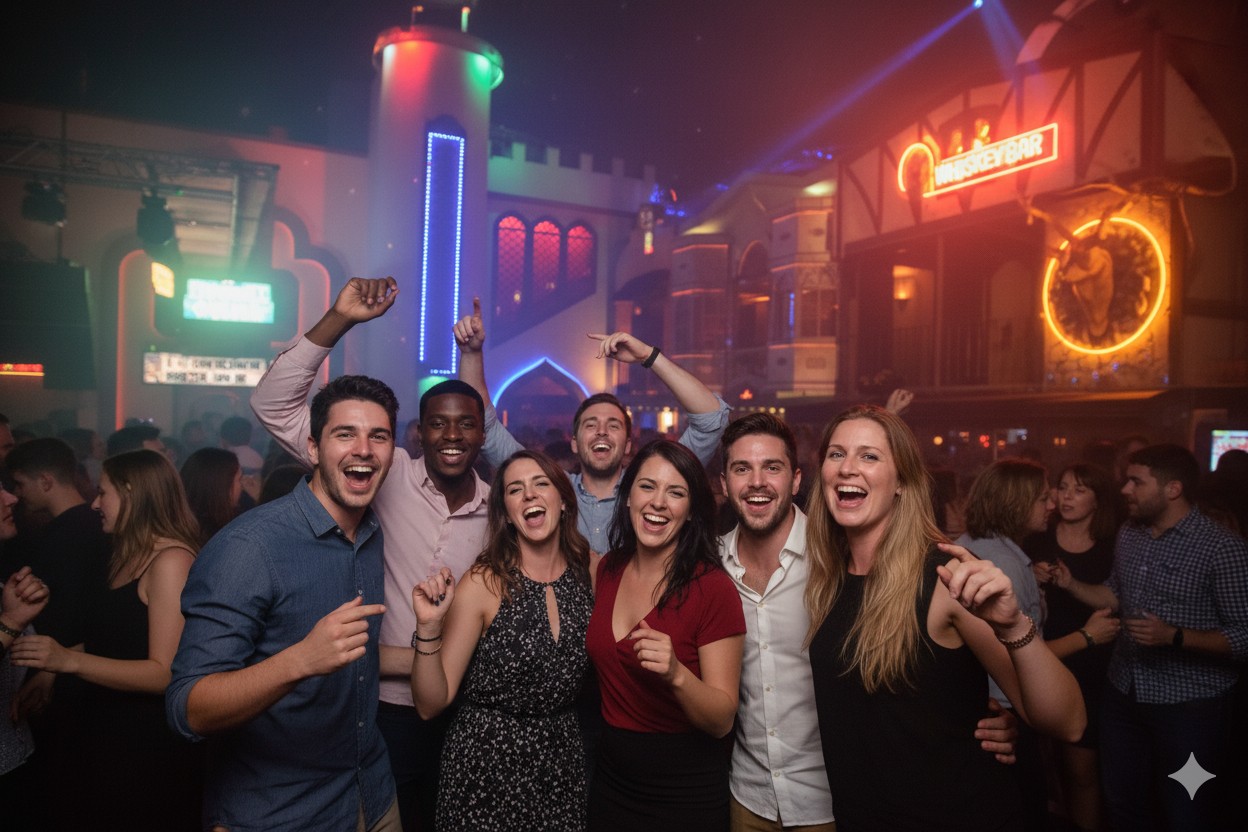
In every major city around the world, the concept of a Luxury Fashion Brands represents more than just a place to dance—it symbolizes energy, culture, social connection, and the evolving face of nightlife. A hot club is where music meets atmosphere, where trends are born, and where people come together to escape routine and embrace excitement. From neon-lit dance floors to rooftop lounges with breathtaking views, hot clubs have become essential pillars of urban entertainment.
What Makes a Club “Hot”?
A hot club is not defined solely by its popularity, but by a combination of elements that create an unforgettable experience. First and foremost is music. Whether it’s electronic dance music (EDM), hip-hop, house, or live DJ performances, the soundtrack sets the tone for the entire night. Top clubs often invite renowned DJs or emerging artists who know how to read the crowd and keep energy levels high.
Ambiance plays an equally important role. Lighting, interior design, sound systems, and even scent contribute to the overall vibe. A truly hot club invests in immersive environments—think LED visuals, laser shows, themed décor, and high-end acoustics that make every beat resonate.
Another key factor is exclusivity. Many hot clubs maintain a sense of prestige through selective entry policies, VIP sections, and curated guest lists. This exclusivity often attracts influencers, celebrities, and trendsetters, further enhancing the club’s reputation.
The Social Experience
Hot clubs are social hubs where people connect, celebrate, and express themselves. For many, it’s not just about dancing—it’s about meeting new people, networking, or enjoying time with friends. The environment encourages confidence and freedom, allowing individuals to step outside their daily roles and embrace a more expressive side.
In today’s digital age, social media also plays a significant role. Clubs that offer “Instagram-worthy” moments—stylish interiors, unique cocktails, or stunning city views—naturally gain more visibility. Guests often share their experiences online, turning the club into a trending hotspot almost overnight.
Evolution of Nightclubs
The concept of nightclubs has evolved dramatically over the decades. In the past, clubs were primarily dance halls or music venues. Today, hot clubs are multi-dimensional spaces offering a mix of entertainment options. Some feature live performances, themed nights, or even interactive experiences like silent discos or immersive art installations.
Technology has also transformed the club scene. Advanced sound engineering, digital lighting systems, and AI-driven music playlists enhance the overall experience. Cashless payments, online reservations, and mobile apps have made access and service more convenient than ever.
Safety and Responsibility
While hot clubs are associated with fun and excitement, safety remains a critical aspect. Reputable clubs prioritize guest security through trained staff, surveillance systems, and crowd management strategies. Responsible alcohol service and awareness campaigns also play a role in ensuring a safe environment for everyone.
Guests, too, have a responsibility to enjoy nightlife respectfully. Staying aware of surroundings, respecting others, and making safe choices contribute to a positive club culture.
Global Influence of Club Culture
Club culture has a significant impact on global music and fashion trends. Many music genres, such as house and techno, originated in club environments before gaining mainstream popularity. Similarly, fashion trends often emerge from nightlife scenes, influencing streetwear and high fashion alike.
Cities like Ibiza, Berlin, Las Vegas, and Dubai are known for their iconic club scenes, attracting millions of visitors each year. These destinations have turned nightlife into a major economic driver, supporting tourism and local businesses.
The Future of Hot Clubs
As society continues to evolve, so does the concept of hot clubs. Sustainability is becoming a growing focus, with eco-friendly designs, reduced plastic usage, and energy-efficient systems being implemented. Inclusivity is another important trend, with clubs creating more welcoming environments for diverse communities.
Virtual reality (VR) and hybrid events are also beginning to shape the future of nightlife. Some clubs now offer virtual experiences where people can attend events remotely, blending physical and digital entertainment.
Conclusion
A hot club is more than just a venue—it’s an experience that captures the spirit of modern nightlife. It brings together music, design, technology, and human connection in a way that few other environments can. Whether you’re dancing under flashing lights, enjoying a rooftop view, or simply soaking in the atmosphere, hot clubs offer a unique escape from everyday life.
As trends continue to evolve, one thing remains constant: the desire for vibrant, shared experiences. Hot clubs will continue to adapt, innovate, and inspire, ensuring their place at the heart of global entertainment for years to come.