Mamunnur Roshid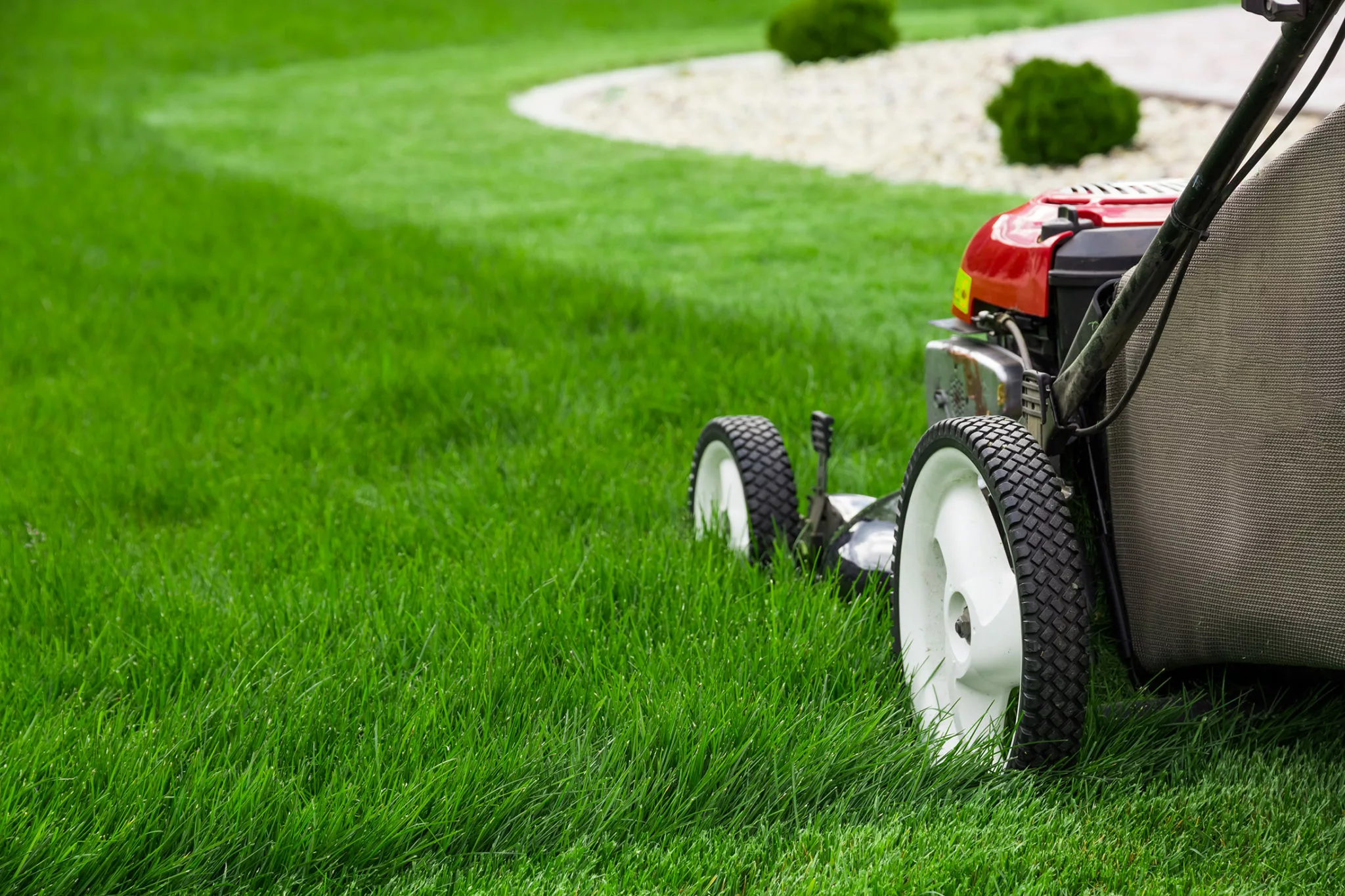
A healthy lawn can significantly improve the appearance of a property while creating a pleasant outdoor area for relaxing, entertaining, and enjoying nature. Keeping grass green and well maintained requires regular attention, but simple habits can make the process easier. Understanding mowing, watering, soil care, weed control, and seasonal maintenance can help homeowners achieve better long-term results.
Start With Proper Mowing
Regular mowing helps maintain an attractive and healthy lawn. However, cutting grass too short can place unnecessary stress on the plants and make the lawn more vulnerable to heat and other environmental conditions.
The appropriate mowing height depends on the type of grass. Keeping mower blades sharp can also provide cleaner cuts and reduce unnecessary damage. Avoid removing too much of the grass height at once, particularly when the lawn has grown significantly.
Water Efficiently
Water is essential for healthy grass, but overwatering can create its own problems. Deep and less frequent watering is often preferable to frequent shallow watering because it can encourage stronger root development.
The appropriate watering schedule depends on grass type, soil, weather, and local conditions. Early morning is often a practical time to water because there is generally less evaporation than during the hottest part of the day.
Improve Soil Quality
Healthy soil provides the foundation for strong grass growth. Compacted or nutrient-deficient soil can limit root development and reduce the lawn’s ability to absorb water.
Soil testing can help identify nutrient or pH issues. Depending on the results, homeowners may consider compost, aeration, or appropriate soil amendments to improve growing conditions.
Manage Weeds Early
Weeds compete with grass for water, nutrients, sunlight, and space. Regular mowing and proper lawn maintenance can help reduce opportunities for weeds to spread.
When weeds appear, they should be addressed according to the type of weed and local growing conditions. Using any treatment product should always follow the manufacturer’s instructions and applicable safety requirements.
Provide Appropriate Nutrients
Grass requires nutrients for healthy growth, but fertilizer should be used carefully. Applying too much can damage the lawn and may contribute to environmental problems.
A soil test can help determine whether additional nutrients are actually needed. Choosing a product appropriate for the grass type and following application directions can support healthier results.
Aerate Compacted Areas
Heavy foot traffic, vehicles, and repeated use can compact soil over time. Compaction reduces the space available for air, water, and roots.
Aeration can help relieve compacted areas by creating openings in the soil. The best timing depends on the type of grass and local growing conditions, so homeowners should choose an appropriate season for their lawn.
Keep the Lawn Clear
Leaves, branches, toys, and other objects can block sunlight and airflow. Removing debris regularly allows grass to receive the resources it needs and keeps the yard looking organized. Quality Lawncare and Landscaping is a lawn care service Rome.
Leaves should also be managed during the fall or whenever they accumulate heavily. A thick layer left on the lawn can restrict light and contribute to unwanted moisture conditions.
Maintain Lawn Equipment
Well-maintained equipment makes outdoor care easier and can improve results. Mower blades should be checked regularly, while other tools should be kept clean and stored properly.
Before using powered equipment, inspect it for visible damage and follow the manufacturer’s safety instructions. Proper maintenance can also extend the useful life of tools.
Consider Professional Help
Some lawns require more specialized attention because of drainage problems, severe weed growth, pests, compacted soil, or extensive damage. Professional lawn care providers can evaluate the condition of the property and recommend suitable maintenance strategies.
Professional services can also save time for homeowners who have busy schedules or larger outdoor areas that require frequent attention.
Create a Seasonal Routine
Lawn needs change throughout the year. Mowing and watering may be priorities during warmer months, while leaf removal, soil preparation, and other maintenance tasks may become more important during cooler seasons.
Creating a seasonal schedule helps homeowners stay consistent and address problems before they become more difficult to manage.
Conclusion
Maintaining a healthy lawn requires consistent care rather than occasional intensive work. Proper mowing, efficient watering, soil improvement, weed management, careful fertilization, aeration, and seasonal maintenance can all support stronger grass growth. By developing a practical routine and seeking professional assistance when necessary, homeowners can keep their outdoor spaces green, attractive, and enjoyable throughout the year.