alisha yousfe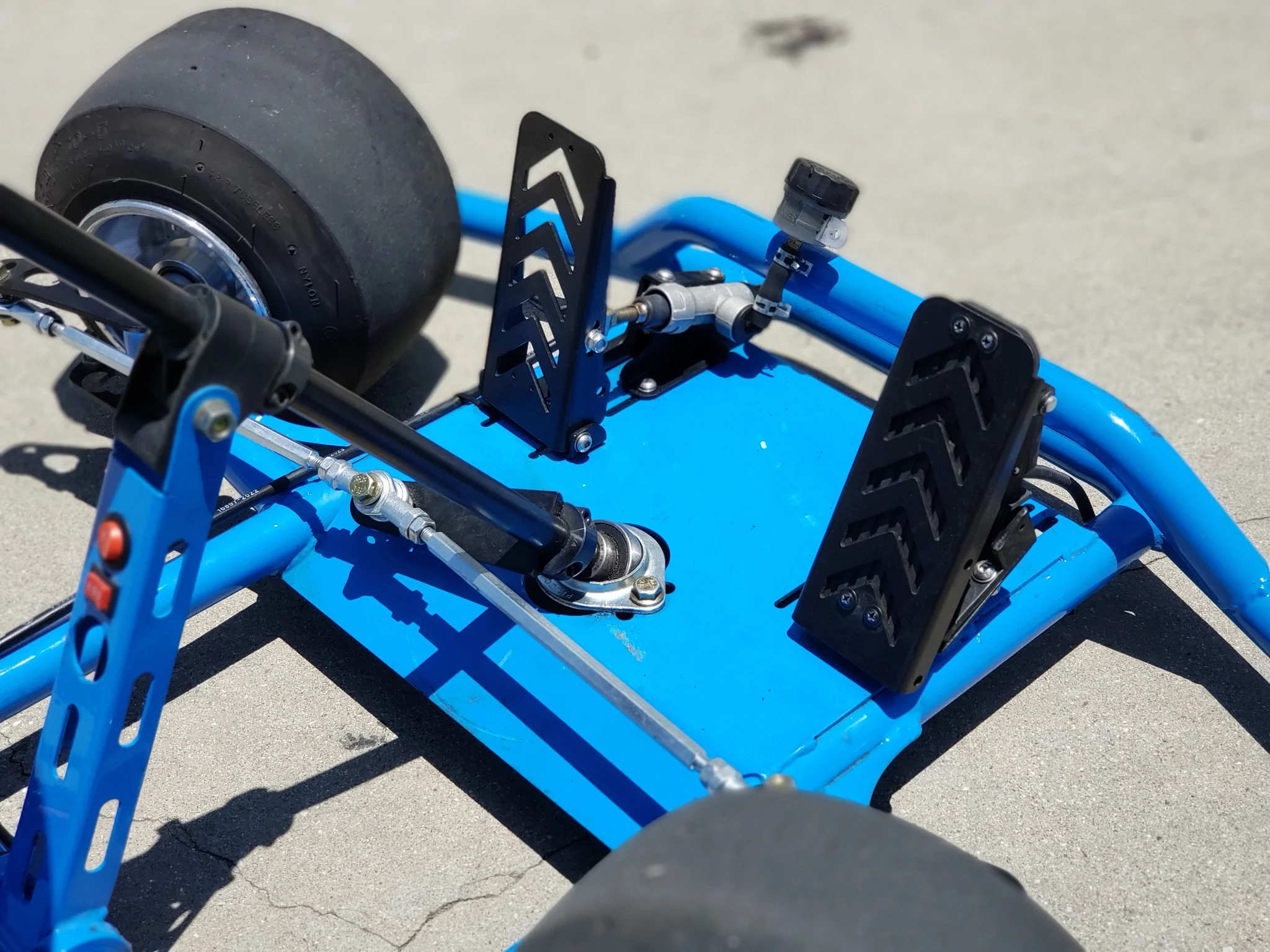
Introduction
Drifting is one of the most thrilling forms of motorsport, combining speed, precision, and style. While most people associate drifting with full-sized cars, drift karts have emerged as an exciting and accessible alternative. These small, agile machines offer an adrenaline-packed experience without the high costs of traditional drifting cars.
In this guide, we’ll explore everything you need to know about drift karts, from their design and construction to the best techniques for mastering the art of kart drifting.
What Is a Drift Kart?
A drift kart is a lightweight, rear-wheel-drive kart specifically designed for controlled slides and drifts. Unlike standard go-karts, which prioritize grip and speed, drift karts are built to break traction intentionally, allowing drivers to perform smooth, sideways maneuvers.
Drift karts typically feature a rear-wheel-drive setup, which is essential for initiating and maintaining drifts. They are also incredibly lightweight, usually weighing between 150 and 300 pounds, making them easier to slide. The tires are often made of hard plastic or slick rubber to reduce grip, and many drift karts come with adjustable suspension for fine-tuning handling. A powerful engine, usually ranging from 6.5 to 15 horsepower, provides enough torque for controlled power slides.
Building Your Own Drift Kart
If you’re interested in building a drift kart, the process involves several key steps.
First, you’ll need to select a suitable chassis. You can either modify an existing rear-wheel-drive go-kart or build a custom chassis from scratch using steel tubing. The chassis serves as the foundation of your kart, so durability and rigidity are crucial.
Next, choosing the right engine is important. A 6.5HP to 15HP engine, such as a Predator 212 or Honda GX200, is ideal for drift kart . Electric motors are also becoming popular due to their instant torque delivery, which is great for drifting.
The drivetrain setup plays a significant role in how your kart handles. A live axle ensures both rear wheels spin at the same speed, which helps maintain drifts. Some builders opt for a limited-slip differential (LSD) for smoother transitions, though it’s not strictly necessary.
Tire selection is another critical factor. Many competitive drift karts use PVC or hard plastic tires for minimal grip, while beginners might prefer slick rubber tires for a slightly more forgiving experience.
Suspension and steering adjustments can greatly impact your kart’s drifting performance. Adjustable coilovers allow you to fine-tune handling, and a quick steering rack helps with rapid corrections during drifts.
Finally, safety should never be overlooked. Installing a roll cage is highly recommended to protect the driver in case of a rollover. Seatbelts or harnesses keep you secure, and a kill switch allows for an emergency shutdown if needed.
How to Drift a Kart: Techniques & Tips
Once your drift kart is ready, it’s time to practice the art of drifting.
Weight transfer is one of the most important techniques. By shifting your body weight into turns, you can help the kart rotate more easily. This is especially useful when initiating a drift.
Throttle control is another key skill. Applying sudden bursts of throttle can break rear traction, a technique known as power oversteer. Alternatively, lifting off the gas abruptly can induce lift-off oversteer, causing the rear end to slide out.
Counter-steering is essential for maintaining control during a drift. When the rear of the kart starts to slide, you must turn the wheel in the opposite direction to keep the drift going smoothly.
For those using manual karts, clutch kicks can be an effective way to break traction mid-corner. A quick engagement of the clutch while applying throttle can help initiate a slide.
Practicing on different surfaces will improve your drifting skills. Asphalt provides moderate grip, while concrete or plastic tracks offer a low-grip environment ideal for learning.
Best Drift Kart Tracks & Events
If you’re looking to test your skills, there are several great places to drift. Many local karting tracks now offer drift-specific sessions, providing a safe and controlled environment for practice. Large, empty parking lots can also be suitable, provided you have permission to use them.
For those interested in competition, events like “Slidefest” and the “Drift Kart Championship” are growing in popularity, offering drift kart enthusiasts a chance to showcase their skills.
Conclusion
A drift kart offers an affordable and exhilarating way to experience the thrill of drifting. Whether you’re building one from scratch or modifying an existing kart, the key lies in balancing power, weight, and control. With practice, you’ll be able to execute smooth, high-angle drifts like a pro.
So, are you ready to slide into the world of drift karting? Grab a helmet, hit the track, and start drifting!