Linda
Linda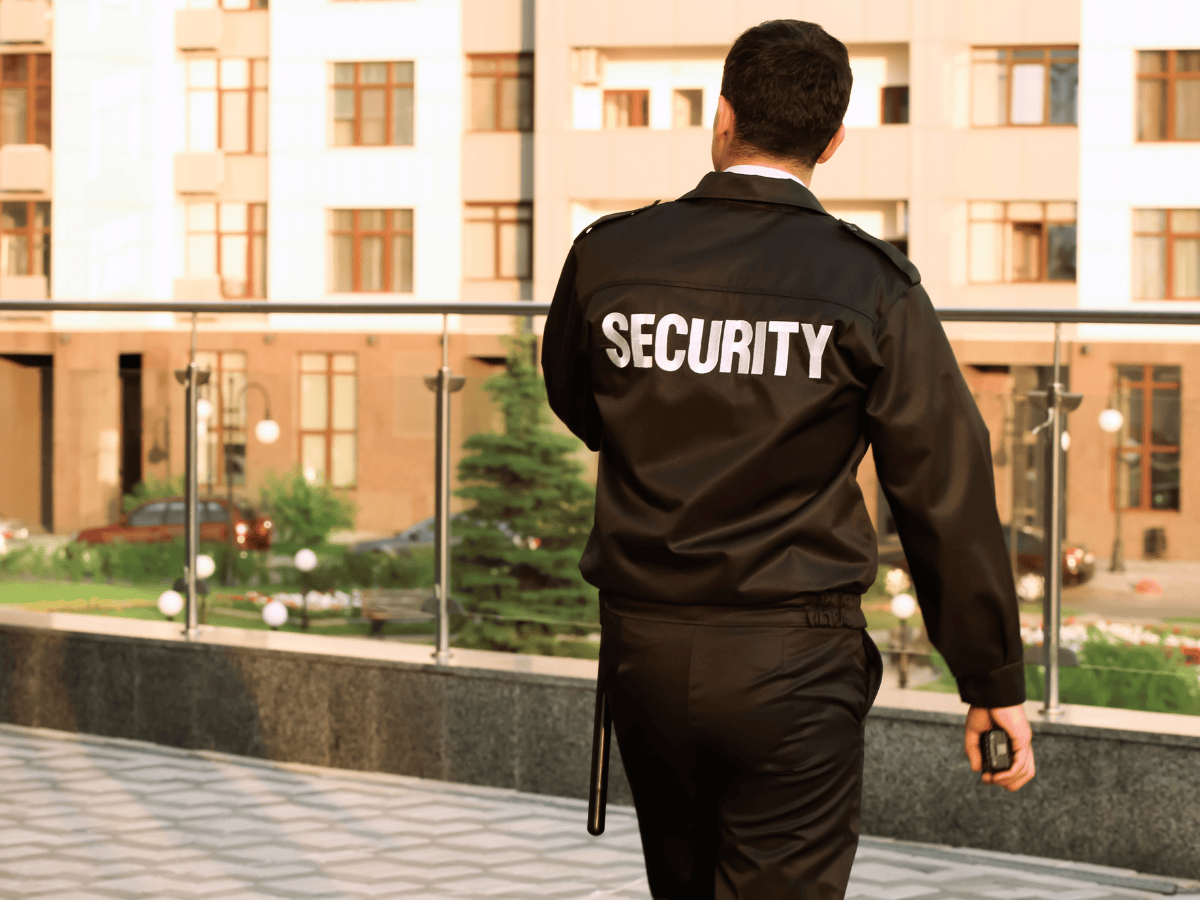
Walking into a shopping center, apartment complex, parking garage, or hotel should feel safe. Most people assume that property owners take reasonable steps to protect visitors from foreseeable dangers. Unfortunately, that isn’t always the case.
Across cities like Atlanta, incidents such as assaults, robberies, or other violent crimes sometimes occur in places where basic security measures could have prevented the harm. When a property owner fails to provide adequate security in an area where crime is reasonably foreseeable, victims may have the right to pursue a negligent security claim.
Understanding how negligent security works can help victims and their families recognize when a property owner’s failure to act may have contributed to a preventable injury.
Why Negligent Security Matters
Businesses invite customers, tenants, and visitors onto their property every day. Because of this, property owners have a responsibility to take reasonable precautions to reduce foreseeable risks.
This doesn’t mean a business must guarantee absolute safety. However, it does mean that when crime risks are known—or should reasonably be known—property owners should take steps to address those risks.
For example, if a location has experienced repeated criminal incidents, failing to install proper lighting, security cameras, or security personnel could increase the likelihood of harm to visitors.
In cities like Atlanta, where certain commercial areas and apartment complexes see heavy foot traffic, proper security planning becomes even more important.
What Is Negligent Security?
Negligent security is a type of premises liability claim. It occurs when a property owner or manager fails to provide reasonable security measures, and that failure contributes to a person being injured during a criminal act.
Common examples include situations where someone is injured due to:
- Assault or battery
- Robbery
- Sexual assault
- Carjacking
- Violent attacks in parking areas
- Break-ins at apartment complexes
- Crimes in poorly secured hotels or office buildings
If the crime occurred in a location where better security could have prevented or reduced the risk, the property owner may potentially be held responsible.
Common Places Where Negligent Security Incidents Occur
Negligent security cases often arise in places where large numbers of people gather or where crime risks are known.
Some common locations include:
Apartment Complexes
Tenants rely on landlords to maintain reasonably safe living environments. Security issues sometimes arise when properties lack:
- Functional security gates
- Proper lighting
- Secure locks
- Surveillance cameras
- Security patrols
When apartment complexes ignore ongoing security problems, residents may face increased risks.
Shopping Centers and Retail Stores
Large shopping centers often attract significant traffic, especially during evenings and weekends. Without proper monitoring and security planning, parking lots and walkways can become vulnerable areas for criminal activity.
Examples of potential risks include:
- Poorly lit parking areas
- Lack of security personnel
- Broken security cameras
- Failure to address prior criminal incidents
Hotels and Motels
Hotels have a responsibility to provide a reasonably safe environment for guests. Security failures can include:
- Unlocked access points
- Lack of hallway surveillance
- Broken locks or doors
- Inadequate monitoring of parking areas
Guests traveling to a new city often rely heavily on the property’s safety measures.
Parking Garages and Parking Lots
Parking areas are one of the most common locations for negligent security incidents. These spaces often have limited visibility, making them more vulnerable to criminal activity if security measures are inadequate.
Common problems may include:
- Poor lighting
- Lack of cameras
- No emergency call stations
- Limited security patrols
What Makes a Security Failure “Negligent”?
In negligent security cases, one of the most important legal questions is foreseeability.
In simple terms, this means whether the property owner knew or should have known that criminal activity was likely to occur.
Factors that may influence this determination include:
- Prior crimes reported at the property
- Crime rates in the surrounding area
- The type of business or property
- Whether reasonable security measures were implemented
For example, if a property has experienced multiple robberies or assaults in the past but management failed to improve lighting or add security, the risk of future incidents may be considered foreseeable.
Security Measures Property Owners May Be Expected to Provide
Reasonable security can look different depending on the location and type of property. However, some common safety measures include:
- Adequate outdoor lighting
- Functional security cameras
- Controlled access systems
- Security guards or patrols
- Secure locks and entry points
- Proper maintenance of gates and fences
- Emergency communication systems
When these basic precautions are ignored, the likelihood of criminal activity may increase.
What Victims Should Know After a Negligent Security Incident
Experiencing a crime on someone else’s property can be overwhelming and traumatic. In addition to the emotional impact, victims may face medical bills, lost income, and long-term recovery challenges.
While every situation is different, some steps may help protect a victim’s interests after such an incident.
Seek Medical Care
Safety and health should always come first. Even if injuries appear minor at first, medical evaluation can help identify hidden injuries and create documentation that may later become important.
Report the Incident
If a crime occurs, reporting it to law enforcement is critical. Police reports may later play a role in documenting what happened and establishing timelines.
Preserve Evidence
Evidence from the scene may be important in negligent security cases. This can include:
- Photographs of the area
- Witness statements
- Surveillance footage
- Incident reports
Over time, some evidence may disappear, making early documentation valuable.
Understand Your Legal Options
Negligent security claims can be complex because they involve both criminal acts and property owner responsibility. Determining liability often requires investigation into prior incidents, property maintenance records, and security practices.
Individuals who have been harmed in such situations may want to speak with an experienced Atlanta negligent security attorney to better understand their rights and potential legal options.
👉 Call Now: +1 844-563-9467
👉 Visit: https://tl4jga.com/negligent-security-lawyer/
Learning about the legal process can help victims make informed decisions about what steps to take next.
How Negligent Security Cases Are Investigated
These cases often involve a detailed review of multiple factors. Investigations may look at:
- Crime history at the property
- Maintenance records for security systems
- Surveillance camera footage
- Lighting conditions at the scene
- Security staffing policies
- Police reports and witness statements
This process helps determine whether a property owner failed to take reasonable precautions to protect visitors.
Preventing Negligent Security Incidents
While victims should never be blamed for crimes committed against them, property owners and businesses can take meaningful steps to reduce risks.
Improving security may involve:
- Conducting regular safety audits
- Installing adequate lighting in parking areas
- Monitoring surveillance systems
- Hiring trained security personnel
- Responding quickly to prior incidents
- Maintaining secure entry systems
Proactive safety planning can make a significant difference in preventing harm.
Conclusion
Negligent security cases highlight an important reality: when property owners fail to address known safety risks, innocent people can be harmed.
Visitors should be able to enter apartments, stores, hotels, and parking facilities without worrying about preventable dangers. When security failures contribute to serious incidents, victims may have legal options to pursue accountability.
Anyone who has experienced injuries related to unsafe property conditions may benefit from learning more about their rights and the legal protections available to them.
👉 Learn More: https://tl4jga.com/
👉 Speak With an Attorney: Call now to discuss your situation and explore your options.