Linda
Linda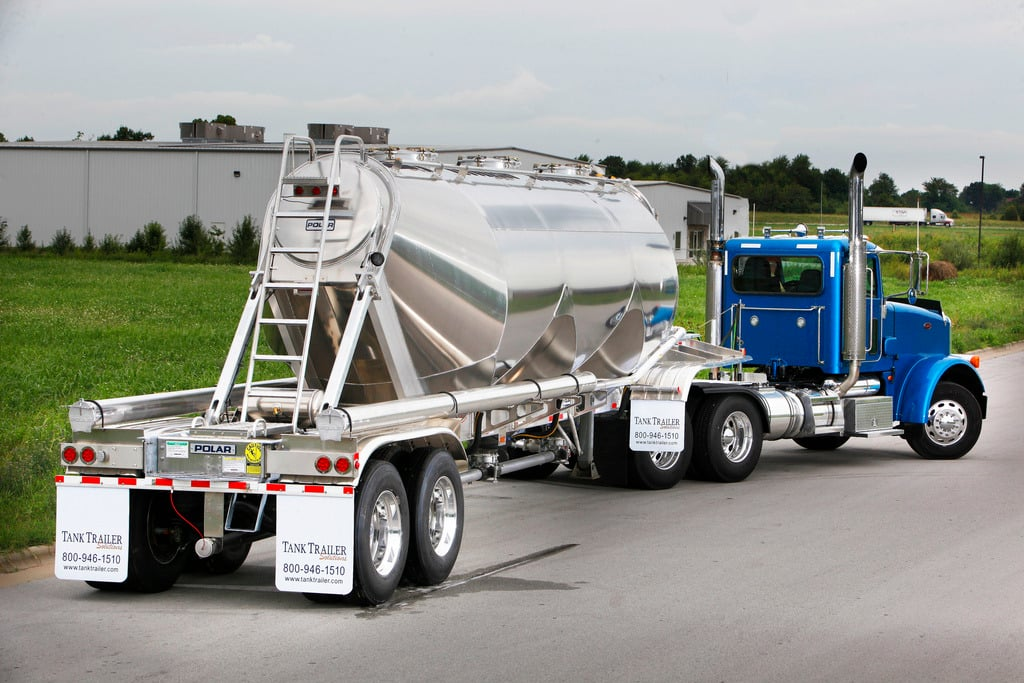
The transportation industry depends dry bulk trucking PA heavily on specialized freight solutions to move dry bulk materials safely and efficiently. Among the most important services in this sector are pneumatic tanker companies, which transport powdered and granular products using pressurized air systems. These companies play a critical role in industries such as construction, agriculture, food processing, chemicals, and manufacturing.
Pneumatic tankers are designed to carry materials like cement, lime, flour, plastic pellets, sand, and fly ash. Unlike traditional dump trailers, pneumatic tankers unload cargo through an air-powered system, reducing contamination and improving delivery efficiency. As industries continue to demand cleaner and faster bulk transportation, pneumatic tanker companies are becoming more valuable than ever.
What Are Pneumatic Tanker Companies?
Pneumatic tanker companies specialize in hauling dry bulk commodities using pneumatic trailers. These trailers use compressed air to unload materials directly into storage silos or containers without tipping the trailer. This method makes unloading safer, cleaner, and more precise.
Most pneumatic tanker companies serve industries that require bulk materials delivered in powder or pellet form. Common materials transported include:
- Cement
- Sand
- Fly ash
- Lime
- Flour
- Sugar
- Plastic resin pellets
- Chemicals
- Mineral powders
Because of the specialized equipment involved, these companies invest heavily in maintenance, safety systems, and driver training.
Why Pneumatic Tanker Services Are Important
Pneumatic tanker transportation provides several advantages compared to traditional hauling methods. Businesses prefer these services because they improve efficiency and reduce material waste.
Cleaner Delivery Process
The sealed tanker system minimizes contamination and dust exposure. This is especially important for food-grade and chemical materials that require strict cleanliness standards.
Faster Unloading
Compressed air systems allow rapid unloading without requiring external equipment. Drivers can unload directly into silos, saving time at delivery sites.
Improved Safety
Traditional dump trailers may create rollover risks during unloading. Pneumatic systems keep trailers level during discharge, improving stability and workplace safety.
Reduced Product Loss
The enclosed system prevents spillage and protects products from moisture and environmental contamination during transportation.
Industries That Use Pneumatic Tanker Companies
Many sectors rely on pneumatic bulk transportation every day. These companies support supply chains across multiple industries.
Construction Industry
Construction companies regularly use pneumatic tankers for transporting cement, fly ash, and lime to job sites and concrete plants.
Agriculture
Agricultural suppliers transport grain byproducts, feed ingredients, and fertilizer materials using pneumatic trailers.
Food Manufacturing
Food-grade pneumatic tankers carry ingredients such as flour, sugar, starch, and powdered additives under sanitary conditions.
Plastic Manufacturing
Plastic resin pellets are commonly hauled in pneumatic tankers to manufacturing facilities that produce packaging, automotive parts, and consumer goods.
Chemical Industry
Chemical manufacturers depend on specialized tanker companies for safe movement of powdered and granular chemical products.
Features of Leading Pneumatic Tanker Companies
The best pneumatic tanker companies stand out because of their equipment quality, safety standards, and customer service. Businesses searching for reliable transportation providers should look for several important features.
Modern Equipment Fleet
Top companies maintain updated tanker fleets equipped with advanced pneumatic systems, pressure monitoring, and safety controls.
Experienced Drivers
Handling pneumatic trailers requires specialized training. Professional drivers understand air pressure systems, unloading procedures, and hazardous material protocols.
Safety Compliance
Reliable carriers follow transportation regulations and maintain high safety ratings. Proper inspections and maintenance help prevent costly delays and accidents.
Nationwide Coverage
Large pneumatic tanker companies often provide regional and nationwide transportation services, helping businesses manage supply chains more efficiently.
Flexible Freight Solutions
Some providers offer dedicated routes, contract hauling, or on-demand transportation depending on customer needs.
How Pneumatic Tankers Work
Understanding how pneumatic tankers operate helps explain why they are so effective for bulk transportation.
The trailer stores dry bulk material inside sealed compartments. During unloading, an air compressor generates pressure that pushes the material through hoses into storage systems. The process is controlled carefully to maintain product quality and prevent clogging.
Most pneumatic trailers include:
- Air compressors
- Pressure relief systems
- Multiple storage compartments
- Discharge hoses
- Filtration systems
This specialized design allows precise unloading even in facilities with limited space.
Challenges Facing Pneumatic Tanker Companies
Although the industry is growing, pneumatic tanker companies also face several operational challenges.
Rising Fuel Costs
Fuel expenses significantly impact transportation profitability. Companies must optimize routes and improve efficiency to remain competitive.
Driver Shortages
The trucking industry continues to experience a shortage of qualified drivers, especially those trained to handle specialized equipment.
Equipment Maintenance
Pneumatic systems require regular inspections and maintenance to prevent downtime and ensure safe operations.
Regulatory Requirements
Transportation regulations related to emissions, safety, and hazardous materials continue evolving, increasing compliance costs.
Technology Trends in Pneumatic Bulk Hauling
Technology is transforming the pneumatic tanker industry. Many companies are investing in digital systems to improve operations and customer service.
GPS Fleet Tracking
Real-time tracking allows customers to monitor shipments and improve scheduling accuracy.
Electronic Logging Devices
Digital compliance tools help companies meet federal transportation regulations while improving operational transparency.
Automated Maintenance Systems
Modern fleets use predictive maintenance software to identify equipment issues before breakdowns occur.
Fuel-Efficient Equipment
New aerodynamic trailer designs and energy-efficient compressors help reduce fuel consumption.
Choosing the Right Pneumatic Tanker Company
Businesses selecting a pneumatic tanker provider should evaluate several key factors before signing transportation contracts.
Important considerations include:
- Safety record
- Industry experience
- Fleet size and equipment condition
- Insurance coverage
- Delivery reliability
- Customer reviews
- Pricing transparency
A dependable transportation partner can help businesses reduce delays, protect products, and improve supply chain performance.
Final Thoughts
Pneumatic tanker companies are essential to modern industrial transportation. Their specialized equipment and expertise allow businesses to move dry bulk materials safely, efficiently, and cost-effectively. From construction and agriculture to food manufacturing and chemicals, countless industries rely on pneumatic hauling services every day.
As technology advances and demand for bulk transportation grows, pneumatic tanker companies will continue playing a major role in supporting supply chains across North America and beyond. Businesses that partner with reliable pneumatic carriers can benefit from improved delivery efficiency, safer transportation, and better overall logistics performance.