alisha yousfe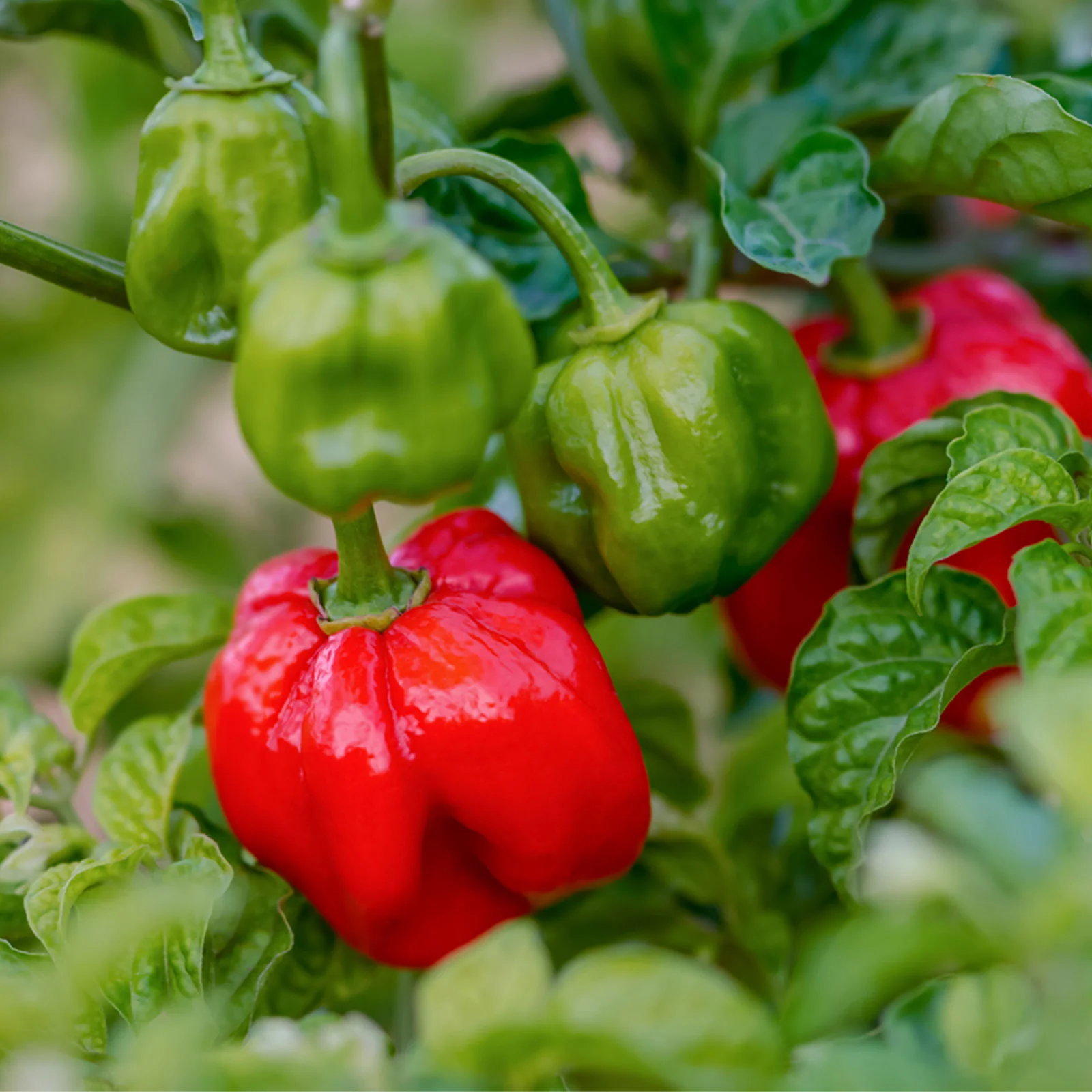
The Scotch Bonnet Pepper, a fiery and flavorful chili pepper, is a staple in many cuisines around the world, particularly in the Caribbean. Known for its vibrant colors and intense heat, the Scotch Bonnet Pepper is not just a culinary ingredient but also a cultural icon. This article delves into the origins, characteristics, culinary uses, health benefits, and interesting facts about this fascinating pepper. For more detailed information, you can visit Scotch Bonnet Pepper.
Origins and Characteristics
The Scotch Bonnet Pepper, scientifically known as Capsicum chinense, is closely related to the habanero pepper. It is believed to have originated in the Amazon region and was later spread to the Caribbean by indigenous peoples. Today, it is widely cultivated in countries like Jamaica, Barbados, and other tropical regions. The pepper gets its name from its resemblance to a Scotch bonnet, a type of hat.
Scotch Bonnet Peppers are typically small, round, and come in a variety of colors, including red, yellow, orange, and green. They are known for their fruity and slightly sweet flavor, which is often described as tropical. However, their most defining characteristic is their heat. Scotch Bonnet Peppers rank between 100,000 to 350,000 Scoville Heat Units (SHU), making them one of the hottest peppers in the world.
Culinary Uses
The Scotch Bonnet Pepper is a versatile ingredient that adds both heat and flavor to a wide range of dishes. In Caribbean cuisine, it is used in everything from sauces and marinades to soups and stews. One of the most famous dishes featuring Scotch Bonnet Peppers is Jamaican jerk chicken. The peppers are used to make jerk sauce, which is a spicy and aromatic marinade that gives the dish its signature flavor.
In addition to jerk chicken, Scotch Bonnet Peppers are used in other traditional Caribbean dishes such as pepper shrimp, escovitch fish, and rice and peas. They are also a key ingredient in hot sauces, which are popular condiments in many households. The peppers can be used fresh, dried, or in powdered form, depending on the recipe.
Health Benefits
Beyond their culinary uses, Scotch Bonnet Peppers offer several health benefits. They are rich in vitamins and minerals, including vitamin C, vitamin A, and potassium. The capsaicin in Scotch Bonnet Peppers is known for its anti-inflammatory and pain-relieving properties. It is also believed to boost metabolism and aid in weight loss.
Capsaicin has been shown to have antimicrobial properties, which can help fight infections. Additionally, the consumption of Scotch Bonnet Peppers may help reduce the risk of certain chronic diseases, such as heart disease and diabetes. The peppers are also a good source of antioxidants, which can help protect the body against oxidative stress and damage caused by free radicals.
Cultivation and Harvesting
Cultivating Scotch Bonnet Peppers requires a warm and humid climate, making them well-suited for tropical regions. The peppers are typically grown from seeds and require well-drained soil and plenty of sunlight. They can be grown in gardens or containers, making them accessible to home gardeners.
The plants take about 3 to 4 months to mature and produce peppers. The peppers start off green and gradually change color as they ripen. They can be harvested at any stage of ripeness, depending on the desired flavor and heat level. Green peppers are milder and less sweet, while red, yellow, and orange peppers are hotter and have a more pronounced fruity flavor.
Interesting Facts
The Scotch Bonnet Pepper is not just a culinary ingredient but also a symbol of cultural identity in the Caribbean. It is often featured in festivals and celebrations, where it is used in cooking competitions and hot pepper challenges. The pepper is also a popular subject in art and literature, reflecting its significance in Caribbean culture.
One interesting fact about Scotch Bonnet Peppers is that they are often used in traditional medicine. In some cultures, they are believed to have healing properties and are used to treat ailments such as colds, flu, and digestive issues. The peppers are also used in folk remedies for pain relief and as a natural anti-inflammatory agent.
Another fascinating aspect of Scotch Bonnet Peppers is their role in the global hot sauce industry. Many artisanal and commercial hot sauces feature Scotch Bonnet Peppers as a key ingredient. These sauces are exported worldwide, introducing the unique flavor and heat of Scotch Bonnet Peppers to a global audience.
Conclusion
The Scotch Bonnet Pepper is a remarkable ingredient that adds depth and complexity to culinary dishes. Its vibrant colors, intense heat, and fruity flavor make it a favorite among chefs and food enthusiasts. Beyond its culinary uses, the pepper offers several health benefits and plays a significant role in Caribbean culture. Whether you are a fan of spicy food or simply curious about this fascinating pepper, the Scotch Bonnet Pepper is sure to leave a lasting impression.