Linda
Linda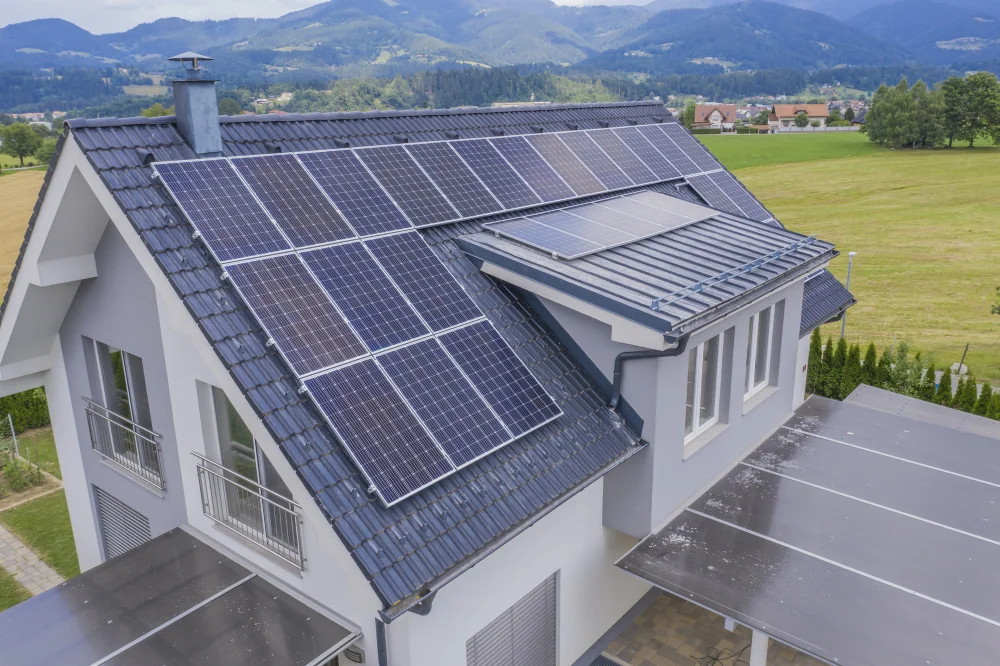
Let’s be honest: looking at your electric bill lately has probably felt a bit like watching a horror movie where the monster never stops growing. We have all seen the headlines about rising energy costs and grid instability, and if you are like most homeowners, you have looked up at your roof and wondered if those shingles could be doing more than just keeping the rain out.
The good news is that solar panel installation for residential properties is no longer a futuristic experiment. In 2026, it is a proven, mainstream way to take control of your home’s economy. But how does it actually work? Is it as complicated as the sales guys make it sound?
In this guide, I am going to break down everything you need to know about getting solar on your roof, the real costs involved, and how the process works from start to finish.
Why Residential Solar is Booming Right Now
For a long time, people stayed away from solar because it was expensive and the panels looked like bulky science projects. Things have changed. Modern solar panels are sleek, often all black, and significantly more efficient than the ones we saw even five years ago.
Energy Independence
The biggest driver for solar panel installation for residential properties today is the desire for independence. When you produce your own power, you are no longer at the mercy of the utility company’s rate hikes. You are essentially locking in your energy costs for the next 25 to 30 years.
Property Value Boost
Adding a high quality solar system is one of the few home improvements that actually pays for itself twice. First, it lowers your monthly bills. Second, it increases your home’s resale value. Buyers in 2026 are specifically looking for homes that are “energy ready” because they want to avoid high operating costs just as much as you do.
The Step by Step Installation Process
A lot of homeowners worry that solar panel installation for residential properties will turn their house into a construction zone for weeks. In reality, the physical work usually only takes one or two days. The real “work” happens in the planning.
Step 1: The Site Assessment
A professional installer will come out to check your roof’s health and orientation. They use tools to measure the pitch and look for any structural issues. They will also look at your electrical panel to see if it can handle the new power coming in.
Step 2: Design and Permitting
Once the assessment is done, engineers design a system that fits your roof perfectly. This is where the paperwork starts. Your installer handles the building permits and the interconnection agreement with your local utility company. This part can take a few weeks, but you don’t have to do much during this time.
Step 3: The Actual Installation
On install day, the crew arrives and sets up safety scaffolding. They attach the racking system (the rails that hold the panels) to your rafters, run the wiring, and click the panels into place. It is a very organized process that looks a bit like a giant Lego set.
Step 4: Inspection and Commissioning
After the panels are up, a local building inspector and a representative from the utility company have to sign off on the work. Once they give the “Permission to Operate” (PTO), you can flip the switch and start making your own power.
3. Top Solar Technologies for Your Home in 2026
When you are looking at quotes, you will see a lot of technical terms. Here are the three you actually need to care about to ensure you get the best performance.
| Technology | Why it Matters | Best For |
| N Type TOPCon | Higher efficiency and better performance in high heat. | Most standard residential roofs. |
| Bifacial Panels | Captures light from both sides of the panel. | Homes with light-colored or reflective roofs. |
| Back Contact (BC) | No visible wires on the front, giving a sleek black look. | Homeowners who care about curb appeal. |
[Visual: A diagram showing how a residential solar system connects to the home and the grid]
Understanding the Real Costs and ROI
The “sticker price” of solar panel installation for residential properties can look high, but you have to look at the net cost. In 2026, the average cost for a standard 10kW residential system sits around $2.50 to $2.80 per watt.
The Federal Clean Energy Credit
Even in 2026, many homeowners can still take advantage of significant tax incentives. In the U.S., the federal tax credit allows you to deduct 30% of the total system cost from your taxes. This includes the panels, the labor, and even the battery backup if you choose to add one.
Payback Periods
For most homes, the system pays for itself in roughly 6 to 9 years. Given that these systems are built to last 25 years or more, you are looking at nearly two decades of almost zero-cost electricity.
Maintenance: How to Keep it Running
One of the best things about solar panel installation for residential properties is that there are no moving parts. It is remarkably “low touch.”
- Cleaning: If you live in a dusty area or have a lot of pollen, a simple hose-down twice a year is enough to keep efficiency high.
- Monitoring: Almost all systems now come with a mobile app. You can see exactly how much power you are making in real-time. If you see a big drop in production, the app will usually alert you so you can call for a quick check-up.
- The Inverter: While the panels last 25+ years, the inverter (which turns DC power into AC power for your house) might need replacing around year 15. Most high-end installers include this in their long-term service plans.
Common Myths About Residential Solar
Before you sign a contract, let’s clear up a few things that people often get wrong about solar panel installation for residential properties.
Myth: Solar doesn’t work when it’s cold.
Actually, solar panels are like most electronics; they love the cold! They produce power based on light, not heat. In fact, they are slightly more efficient on a crisp, sunny winter day than they are on a scorching hot summer afternoon.
Myth: I can’t get solar because I have a shaded roof.
While full sun is best, modern “microinverters” allow each panel to work independently. This means if one panel is shaded by a tree, the rest of the system keeps working at full capacity. Older systems used to drop entirely if just one panel was in the dark, but those days are over.
Myth: Solar will make my roof leak.
If you use a reputable installer, this is not an issue. Professional crews use specialized “flashing” that creates a watertight seal around every bolt. In many cases, the panels actually protect your shingles from UV damage and weather, extending the life of the roof underneath them.
Final Suggestions
Solar panel installation for residential properties is one of the few ways a homeowner can actually opt out of the rising cost of living. It is a practical, predictable, and clean way to power your life.
If you are ready to explore this, the best first step is to gather your last 12 months of electric bills. This helps an installer see your load profile so they can build a system that covers 100% of your needs without being oversized.
The sun is going to rise tomorrow anyway you might as well let it pay your bills.
FAQ: Residential Solar Installation
Do I need a battery with my solar panels?
You don’t need one to save money, especially if your utility offers net metering. However, a battery is the only way to keep your lights on during a blackout. More homeowners are adding batteries in 2026 to increase their self-consumption and avoid high “time of use” rates from the power company.
How long does the warranty last?
Most premium panels come with a 25 year performance warranty. This guarantees that after 25 years, the panels will still be producing at least 85% to 92% of the power they did on day one.
What happens if I have an HOA?
In many states, “Solar Access Laws” prevent HOAs from banning solar panels. While they might have some say in where you place the equipment, they generally cannot stop you from going solar if it is a reasonable request.
Is my roof strong enough for solar?
Most modern roofs are built to handle much more weight than a solar array. A 10kW system adds about 2.5 to 4 pounds per square foot, which is well within the safety margins for most residential structures. Your installer will always perform a structural check before starting.
Can I still get a bill from the electric company?
Yes, you will likely still get a small bill for the “connection fee” to stay hooked up to the grid. This is usually around $10 to $20 a month. However, if your panels produce enough energy to cover your usage, your “energy charge” can be zero.