Linda
Linda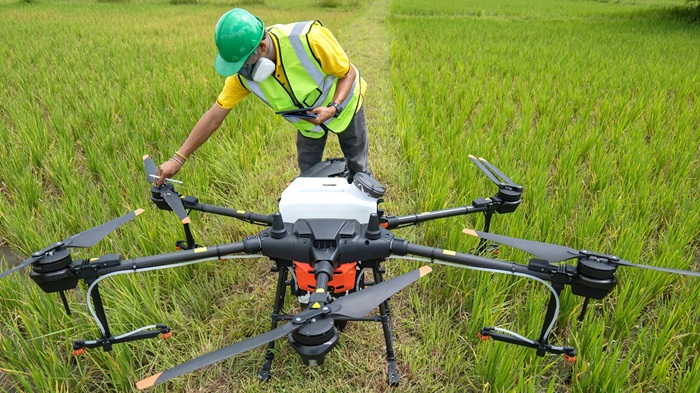
In the face of a growing global population, climate change, and diminishing natural resources, agriculture stands at a critical crossroads. To meet these challenges, the integration of technology into farming practices—commonly referred to as AgriTech—is revolutionizing the way we produce, manage, and distribute food. AgriTech, or agricultural technology, encompasses a wide array of innovations including precision farming, artificial intelligence (AI), robotics, IoT (Internet of Things), biotechnology, and data analytics. These tools aim to increase efficiency, reduce waste, and make agriculture more sustainable and resilient.
What is AgriTech?
AgriTech refers to the use of advanced technology to improve agricultural productivity and profitability while ensuring environmental sustainability. It includes everything from satellite imaging and drone surveillance to sensor-based soil monitoring and automated harvesting. AgriTech innovations help farmers make better decisions, use resources more efficiently, and adapt to changing climate conditions.
Key Areas of AgriTech Development
1. Precision Farming
Precision farming uses GPS, IoT sensors, and data analytics to monitor and optimize field-level management. Farmers can determine the exact amount of water, fertilizer, or pesticide needed for a specific section of a field, reducing waste and cost. For example, soil sensors can measure moisture and nutrient levels in real-time, allowing farmers to make informed decisions that increase yield and conserve resources.
2. Drones and Aerial Imaging
Drones equipped with high-resolution cameras and multispectral sensors are becoming essential tools in modern agriculture. They can survey large areas quickly, assess crop health, detect pests or diseases, and even assist in spraying pesticides. Aerial imagery provides valuable insights into crop patterns and stress, enabling timely interventions.
3. Smart Irrigation Systems
Water scarcity is one of agriculture’s most pressing issues. Smart irrigation systems use real-time weather data and soil moisture sensors to deliver water precisely where and when it’s needed. These systems help farmers save water, reduce energy consumption, and increase crop yields.
4. Biotechnology and Genetic Engineering
Biotech advancements have enabled the development of genetically modified crops that are more resistant to pests, diseases, and extreme weather. These innovations contribute to higher productivity and reduced dependency on chemical inputs. Additionally, biotechnology helps in developing drought-resistant and nutrient-rich crop varieties that can address food security issues.
5. Robotics and Automation
Labor shortages are a growing concern in many agricultural regions. Robotic systems and automated machinery, such as self-driving tractors, robotic weeders, and fruit-picking machines, are alleviating this problem. These tools increase efficiency, reduce labor costs, and can work around the clock with minimal supervision.
6. Data Analytics and AI
Big data and AI are transforming agriculture into a data-driven industry. By analyzing data from sensors, drones, and satellite imagery, AI algorithms can predict crop yields, identify risks, and optimize planting schedules. Predictive analytics helps farmers make proactive decisions rather than reacting to problems after they arise.
Benefits of AgriTech
- Increased Productivity: AgriTech helps farmers grow more food on the same amount of land through better decision-making and resource management.
- Sustainability: By reducing the overuse of water, fertilizers, and pesticides, AgriTech supports environmentally friendly practices.
- Resilience: Technological tools help farmers adapt to climate change by offering timely insights and alerts.
- Cost Reduction: Automation and efficient resource use lead to significant cost savings.
- Improved Food Security: Higher yields and reduced crop losses contribute to greater food availability and accessibility.
Challenges Facing AgriTech Adoption
Despite its promise, AgriTech adoption is not without challenges:
- High Initial Costs: Many technologies require significant upfront investment, which can be a barrier for small-scale farmers.
- Lack of Digital Literacy: Farmers in developing regions may lack the technical skills needed to effectively use advanced tools.
- Infrastructure Limitations: Poor internet connectivity and unreliable electricity in rural areas hinder the use of smart technologies.
- Data Privacy Concerns: As farms become data-rich environments, concerns around ownership and use of that data are increasing.
The Future of AgriTech
The future of AgriTech looks promising. With the rise of 5G, edge computing, and blockchain, the capabilities of agricultural technology are expanding. Blockchain, for instance, can provide transparent food supply chains, enhancing trust and traceability. Vertical farming, hydroponics, and aquaponics are gaining traction as innovative ways to grow food in urban settings using minimal resources.
Governments, tech companies, and research institutions are increasingly investing in AgriTech startups and innovation hubs. These collaborations are essential to scale solutions and make them accessible to farmers worldwide.
Conclusion
AgriTech is no longer a futuristic concept; it is a present-day necessity. As the world grapples with the dual challenges of feeding a growing population and protecting the planet, agricultural technology offers a viable path forward. While obstacles to widespread adoption remain, the potential benefits far outweigh the drawbacks. Through innovation, collaboration, and education, AgriTech can lead the way to a more secure, sustainable, and prosperous agricultural future.