Linda
Linda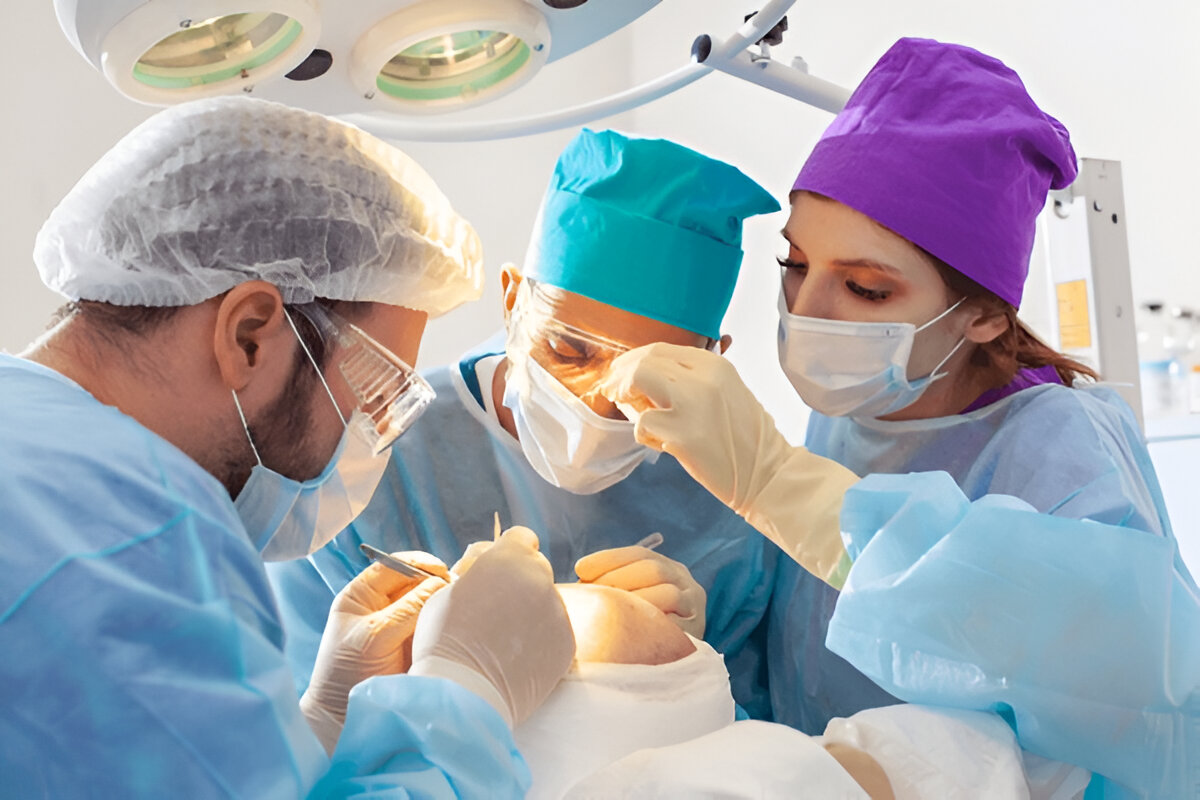
Hair transplant surgery is a popular solution for individuals experiencing hair loss, but one of the biggest concerns for many people is whether the procedure is painful. If you’re considering a hair transplant London, it’s natural to have questions about what to expect in terms of pain and discomfort. In this article, we will explore the pain associated with hair transplant UK surgery, what makes it a relatively painless procedure, and how to manage any discomfort during the process.
What to Expect Before the Surgery
Before you undergo a London hair transplant, your surgeon will explain the entire process to ensure you understand what will happen. The first step in a hair transplant is a detailed consultation, where the surgeon assesses your hair loss, examines your scalp, and determines the best technique for you.
Once you have agreed on the details of the surgery, you will be given instructions on how to prepare for the procedure. This will typically involve avoiding certain medications or foods before the surgery, which can help ensure that the procedure goes smoothly. While you may feel a little nervous before the surgery, the actual discomfort begins after the anesthesia is applied.
Is the Procedure Painful During the Surgery?
When it comes to a hair transplant in the UK, one of the main concerns is pain during the procedure. The good news is that hair transplant surgery is generally not painful. The reason for this is the use of local anesthesia. Before the surgery begins, the surgeon will inject a local anesthetic into the donor and recipient areas of your scalp.
This anesthesia will numb the areas being treated, ensuring that you feel no pain during the procedure. Many patients report feeling only mild discomfort, such as a slight pinching or tingling sensation, when the anesthesia is initially injected. However, this sensation is temporary and usually subsides quickly.
Once the anesthesia takes effect, you should not feel any pain throughout the procedure. The hair transplant itself involves extracting healthy hair follicles from the donor area and implanting them into the thinning or bald spots on your scalp. Both the FUE (Follicular Unit Extraction) and FUT (Follicular Unit Transplantation) methods are typically well-tolerated, as they are minimally invasive and do not require any large incisions.
Pain After the Surgery: What to Expect
While the London hair transplant procedure is virtually painless, it’s normal to experience some discomfort once the anesthesia wears off. Most patients report feeling mild soreness or tenderness in the treated areas of the scalp. This discomfort can be managed with over-the-counter pain medications that your surgeon may recommend.
In some cases, you may experience swelling in the forehead or around the eyes, but this is temporary and usually resolves within a few days. It’s important to follow your surgeon’s aftercare instructions to minimize discomfort and promote healing. Keeping your head elevated and avoiding strenuous activities during the first few days after the procedure can help manage swelling and pain.
Additionally, some patients experience a sensation known as “shock loss” shortly after the procedure. This is when the transplanted hair sheds, which is a regular part of the hair growth cycle. While it can be concerning, it’s essential to know that this is temporary, and the new hair will begin to grow back in the coming months.
Managing Discomfort After Surgery
The pain associated with hair transplant UK surgery is generally mild and temporary. Your surgeon will give you specific aftercare instructions to help manage any discomfort during the recovery period. These instructions typically include:
- Taking prescribed pain medication as needed
- Avoiding direct sun exposure on the treated area
- Refraining from strenuous activities for a few days
- Using gentle, recommended hair care products
It’s also common for patients to experience itching or slight numbness in the treated areas, but these symptoms usually resolve within a few weeks. By following your surgeon’s aftercare instructions carefully, you can minimize discomfort and ensure the best results from your London hair transplant.
How Does Pain Compare to Other Surgeries?
In comparison to other surgical procedures, hair transplant London surgery is relatively low in terms of pain and recovery time. The use of local anesthesia means that you will remain awake and alert during the procedure without experiencing significant discomfort. This is different from other surgeries that may require general anesthesia, which comes with additional risks and a longer recovery time.
Additionally, the minimally invasive nature of modern hair transplant techniques like FUE means that there are fewer complications and a faster healing process. This makes it an appealing option for people who want to restore their hair without enduring significant pain or a lengthy recovery period.
How Long Does the Pain Last?
For most people, any discomfort from the hair transplant UK procedure will subside within a few days to a week. The soreness or tenderness in the treated areas typically fades after the first few days. Swelling may also persist for a short time, but it will go down within the first week.
By the time you return to work or resume your daily activities, most patients feel comfortable and experience only mild, occasional discomfort. If any pain persists beyond the initial healing period, it’s essential to consult with your surgeon to rule out complications.
Conclusion
Hair transplant in London surgery is a relatively painless procedure, mainly due to the use of local anesthesia. While you may experience some mild discomfort during the recovery period, this can be easily managed with over-the-counter medications and following the surgeon’s aftercare instructions. For most patients, the pain associated with a hair transplant in the UK is temporary and manageable, making it a safe and effective option for restoring hair and boosting confidence.
If you’re considering a London hair transplant and have concerns about pain, it’s essential to consult with a skilled surgeon who can explain the procedure in detail and help ease any worries. With the proper preparation and aftercare, you can look forward to a smooth recovery and natural-looking results.