Linda
Linda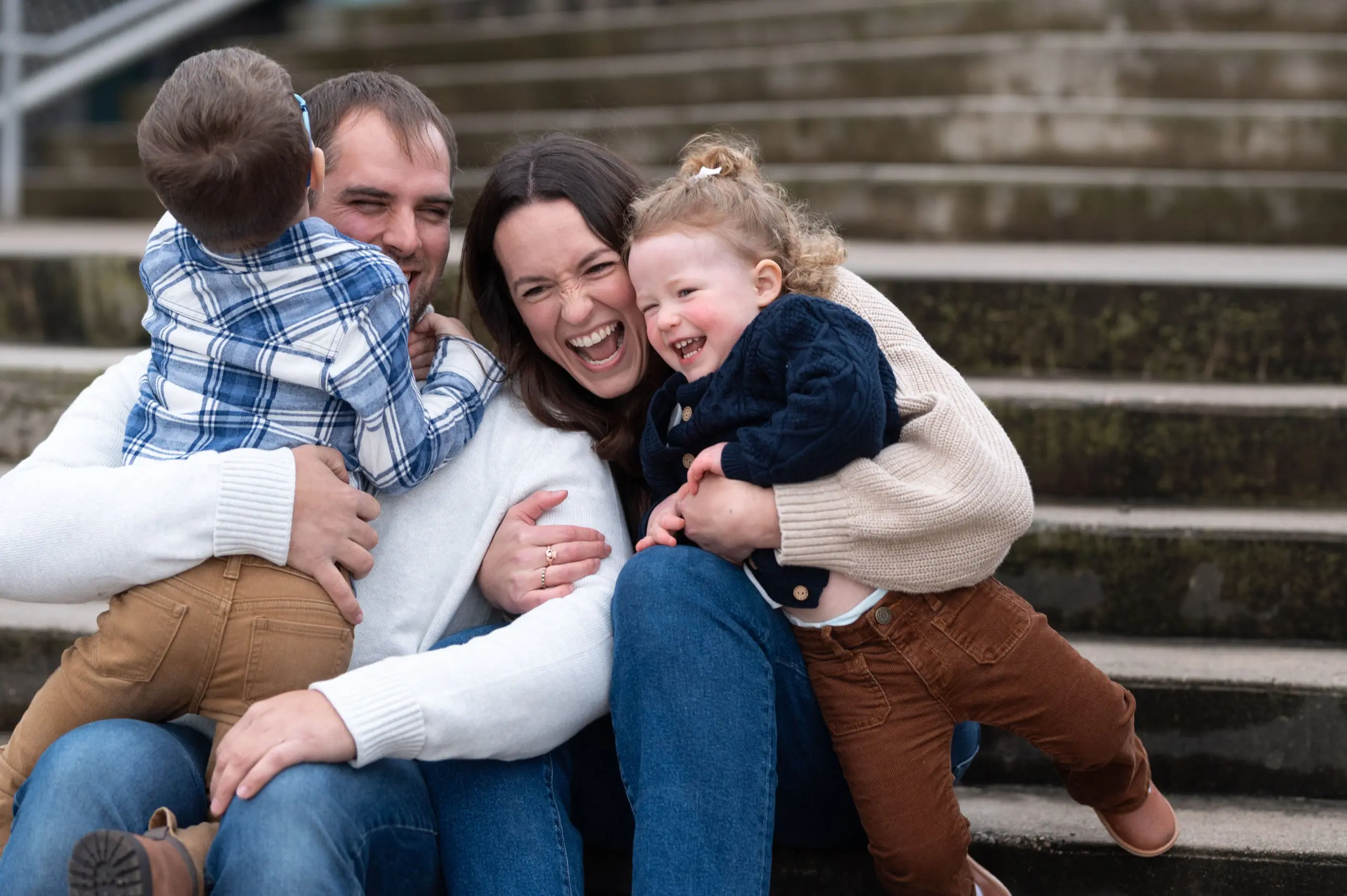
A family photographer is more than someone who simply takes pictures; they are visual storytellers who document relationships, emotions, and milestones within a family. Their work preserves moments that often pass quickly in daily life but become priceless memories over time. From newborn sessions to multi-generational portraits, family photography plays a meaningful role in how people remember and celebrate their lives.Looking for a family photographer New Lenox, call Jean Lachat Photography.
At the heart of family photography is storytelling. Every session is designed to reflect the personality and dynamics of a family. Some families prefer posed, formal portraits where everyone is neatly arranged and smiling at the camera. Others choose a more relaxed approach that captures candid interactions such as laughter, hugs, or playful moments. Both styles are valuable, and a skilled photographer knows how to blend them depending on the client’s expectations.
A successful family photographer must also understand human behavior. Working with adults, children, and sometimes pets requires patience and flexibility. Children, in particular, can be unpredictable, so photographers often use games, jokes, or gentle direction to keep them engaged. The goal is to capture natural expressions rather than forced smiles. This ability to connect with people is just as important as technical camera skills.
Technical knowledge is another essential part of the profession. Camera settings such as aperture, shutter speed, and ISO must be adjusted based on lighting conditions and movement. For example, a wide aperture can create a soft background blur that highlights the subjects, while a faster shutter speed helps freeze motion during active family sessions. Understanding these settings ensures high-quality, sharp, and well-exposed images in different environments.
Location selection greatly influences the final result of a photoshoot. Outdoor sessions often take place in parks, beaches, gardens, or urban streets where natural light enhances the mood. Indoor studio sessions provide controlled environments where lighting, background, and props can be carefully arranged. Some photographers also offer in-home sessions, which create a personal and intimate feel by capturing families in their everyday surroundings.
Editing is a crucial step in modern family photography. After a session, photographers use software to adjust brightness, contrast, color balance, and sharpness. They may also remove distractions or minor imperfections while maintaining a natural look. The goal of editing is not to change reality but to enhance it, ensuring that the final images look polished and timeless.
One important aspect of family photography is planning. Before a session, photographers often communicate with clients to understand their preferences, style, and expectations. They may suggest outfit coordination, location ideas, and timing based on lighting conditions. This preparation helps the session run smoothly and ensures that the final results match the client’s vision.
Family photography also reflects cultural and social diversity. Different families have unique traditions, clothing styles, and ways of expressing affection. A professional photographer respects and highlights these differences, making each photoshoot unique. In many cultures, family portraits are especially important during festivals, weddings, and religious celebrations.
In recent years, lifestyle photography has become increasingly popular. Instead of rigid posing, this style focuses on real-life moments such as cooking together, walking in nature, or celebrating small achievements at home. These images feel more authentic and emotionally powerful because they reflect everyday life rather than staged scenes.
The business side of family photography is also important. Many photographers run their own studios or freelance businesses. They must manage marketing, client communication, scheduling, pricing, and portfolio development. Social media platforms play a major role in attracting clients by showcasing past work and building an online presence.
Family photography also has emotional and psychological value. Photographs help people reconnect with memories and strengthen family identity. Looking at old pictures can evoke nostalgia and remind families of shared experiences, growth, and relationships. These images often become treasured possessions passed down through generations.
Technology continues to shape the future of family photography. High-resolution cameras, drones, and advanced editing tools allow photographers to create more creative and dynamic images. Even smartphone photography has influenced the industry by increasing people’s appreciation for visual storytelling.
In conclusion, a family photographer combines technical skill, creativity, and emotional intelligence to capture meaningful moments. Their work goes beyond images—it preserves history, strengthens connections, and tells the story of family life in a way that words alone cannot express.