alisha yousfe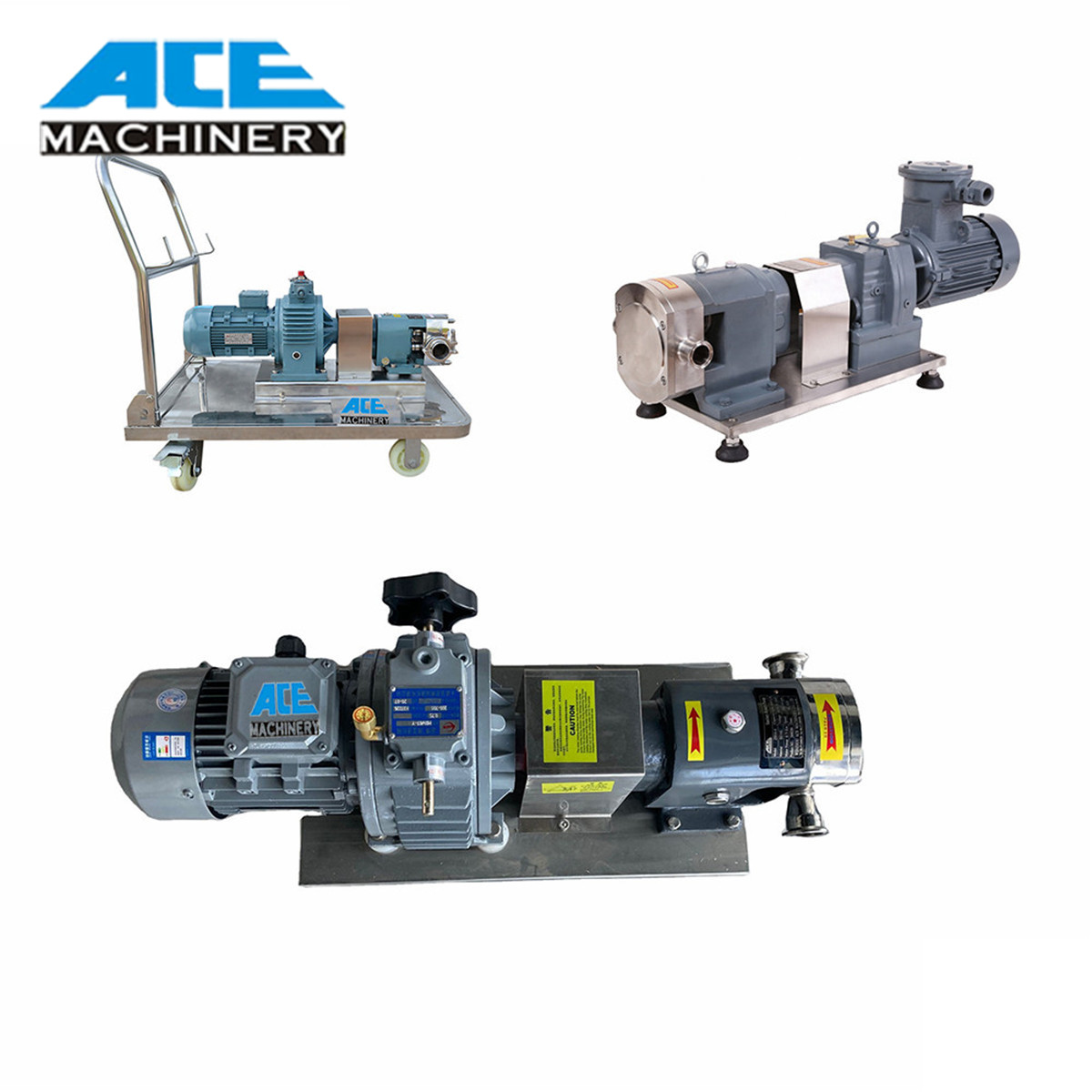
In the intricate world of industrial fluid handling, the lobe pump stands out as a highly versatile and essential piece of equipment. Often recognized for its gentle yet efficient pumping action, this positive displacement pump plays a critical role across a myriad of sectors, ensuring the smooth and reliable transfer of sensitive and challenging fluids. From the delicate processing of foodstuffs to the rigorous demands of wastewater treatment, the unique design and operational characteristics of the lobe pump make it an indispensable asset.
Understanding the Mechanics: How a Lobe Pump Works
At its core, a lobe pump, also known as a rotary lobe pump, operates on a principle of positive displacement, akin to a gear pump but with distinct differences. Unlike gear pumps where the gears directly mesh, lobe pumps utilize two or more rotating lobes that are externally timed by gears located in the gearbox, preventing direct contact between the lobes. These lobes rotate in opposite directions within a pump casing.
The pumping cycle begins as the lobes come out of mesh on the inlet side, creating an expanding volume. This expanding cavity generates a vacuum, drawing the fluid into the pump chamber. As the lobes continue to rotate, they trap discrete volumes of fluid between the lobes and the pump casing. The fluid is then carried around the interior perimeter of the casing towards the discharge side. Crucially, the fluid does not pass between the lobes themselves. Finally, as the lobes re-mesh on the discharge side, the enclosed volume decreases, forcing the fluid out through the outlet port under pressure. This mechanism ensures a consistent and non-pulsating flow, making lobe pumps ideal for applications requiring precise and gentle handling of materials. The design allows for a relatively constant output flow, largely independent of changes in process pressure.
Design Principles: Crafting Efficiency and Reliability
The efficacy of a lobe pump hinges on several key design elements. The lobes themselves are critical, with variations such as bi-lobe, tri-lobe, and multi-lobe configurations influencing flow rate, efficiency, and solids handling capabilities. Tri-lobe and multi-lobe designs often provide a smoother flow and enhanced performance with suspended solids. The pump housing encloses these rotors, designed to withstand operational pressures while maintaining a tight seal to prevent leakage.
Shafts and bearings support the rotors, ensuring smooth rotation and proper alignment. High-quality seals and gaskets are vital to prevent contamination and ensure operational integrity, with material selection often dependent on the type of fluid being pumped. Perhaps the most distinguishing design feature is the timing gears. These gears, situated in a separate gearbox, synchronize the rotation of the lobes, ensuring they never touch. This non-contacting operation is fundamental to the lobe pump’s ability to handle delicate materials without damage and contributes to its overall durability and reduced wear.
Diverse Applications Across Industries
The versatility of the lobe pump is evident in its widespread adoption across numerous industries, each benefiting from its specific advantages:
- Food and Beverage Industry: Lobe pumps are extensively used for transferring viscous and shear-sensitive food products such as chocolate, honey, yogurt, fruit juices, tomato sauce, and peanut butter. Their gentle pumping action preserves the integrity and texture of delicate ingredients and minimizes product degradation, making them ideal for hygienic applications.
- Pharmaceutical and Biotechnology: In these sectors, the ability to maintain product integrity and meet stringent sanitary standards is paramount. Lobe pumps are employed for transferring pharmaceutical solutions, syrups, suspensions, emulsions, and fermentation broths. Their clean-in-place (CIP) and sterilize-in-place (SIP) capabilities are highly valued.
- Chemical and Petrochemical Industry: Lobe pumps handle a wide array of chemicals, including acids, alkalis, solvents, adhesives, oils, fuels, and lubricants. Their robust construction and corrosion resistance make them suitable for challenging chemical transfer applications.
- Wastewater and Environmental Treatment: These pumps are crucial for handling sludges, slurries, and industrial wastewater, often containing contaminants and solids. Their ability to manage high-solids content and sometimes even hazardous fluids makes them indispensable in environmental remediation.
- Cosmetics and Personal Care: From lotions and creams to gels, shampoos, and essential oils, lobe pumps ensure precise and consistent dispensing, maintaining the quality and consistency of these products.
- Oil & Gas and Mining: In more demanding environments, specialized lobe pumps can handle abrasive slurries and mud, offering durability where other pump types might fail.
Advantages: Why Choose a Lobe Pump?
The widespread adoption of lobe pumps is due to a compelling list of advantages:
- Gentle Product Handling: The non-contacting lobes and large pumping chambers allow for the transfer of shear-sensitive fluids and solids without damage, preserving product quality. This is particularly vital in the food, pharmaceutical, and cosmetics industries.
- Excellent Solids Handling Capability: Lobe pumps can effectively manage liquids containing large solid particles (e.g., cherries, olives), making them suitable for applications where other pump types might clog or cause damage.
- High Efficiency: They provide a smooth, consistent flow with minimal pulsation, leading to efficient fluid transfer and often lower energy consumption compared to some alternative pump technologies.
- Hygienic Design and Cleanability: Many lobe pumps are designed for easy disassembly and feature CIP/SIP capabilities, making them highly suitable for applications requiring strict hygiene standards.
- Durability and Reliability: Constructed from robust materials, lobe pumps are built for continuous operation and can withstand harsh industrial conditions, leading to a long service life and reduced downtime.
- Low Maintenance: Their relatively simple design with fewer wearing parts that are easily accessible contributes to straightforward and cost-effective maintenance.
- Quiet Operation: Lobe pumps generally operate with lower noise levels compared to some other pump types, improving the working environment.
- Reversible Flow: The ability to pump in either direction offers operational flexibility.
- Brief Dry Run Capability: While generally requiring fluid for lubrication, some designs can tolerate brief periods of dry running without immediate damage.
Disadvantages and Considerations
Despite their numerous benefits, lobe pumps also have certain limitations that should be considered:
- Higher Initial Investment: Compared to some other pump types, lobe pumps can have a higher upfront cost due to their precision engineering and specialized components, such as timing gears and high-quality seals.
- Reduced Lift with Thin Liquids: While versatile, lobe pumps may exhibit diminished performance with very low viscosity liquids, as the clearances between the lobes and casing can lead to increased slip, reducing efficiency for thin, non-lubricating fluids.
- Sensitivity to Highly Abrasive Materials: Although they handle solids well, extremely abrasive slurries can cause accelerated wear on pump components over extended periods. Specialized designs with hardened parts or wear plates can mitigate this, but it remains a consideration.
- Requires Timing Gears: The necessity of external timing gears adds to the mechanical complexity and cost.
- Two Seals Required: Unlike some simpler pump designs, lobe pumps typically require two mechanical seals, which can contribute to maintenance costs if not properly managed.
- Limited Pressure Capability: While effective for a wide range of applications, lobe pumps generally have a lower pressure-generating capacity compared to some high-pressure positive displacement pumps.
In conclusion, the lobe pump represents a highly effective and adaptable solution for fluid transfer in modern industry. Its unique design, which prioritizes gentle handling, efficiency, and hygiene, makes it an invaluable tool for processing sensitive and viscous materials across critical sectors. While considerations regarding initial cost and suitability for extremely thin or highly abrasive fluids exist, the significant advantages in product integrity, reliability, and ease of maintenance solidify its position as a cornerstone of advanced pumping technology.