Linda
Linda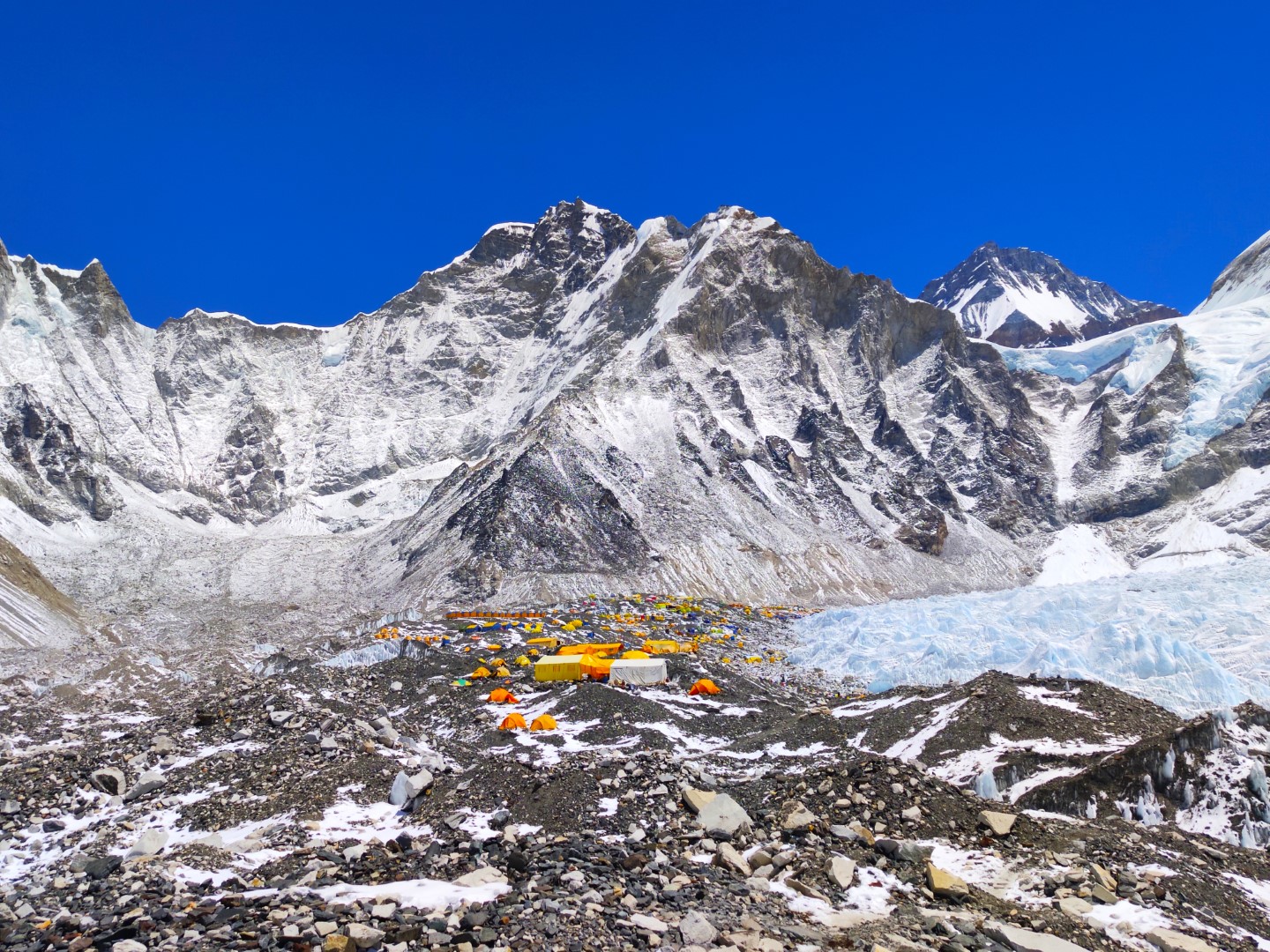
The view from Everest Base Camp is truly remarkable.
Picture yourself surrounded by a breathtaking panorama of some of the tallest mountains in the world, each exceeding 20,000 feet in height.
Standing at the base camp is a moment filled with mixed emotions.
It is a physical achievement, showcasing your strength and determination, yet it is also a humbling experience, being in the presence of such immense natural beauty and the formidable power of the mountain.
Imagine standing at the foot of the world’s tallest peak, Mount Everest, a feeling that defies imagination.
Situated at an altitude of around 5,364 meters (17,598 feet) above sea level, Everest Base Camp marks the starting point for climbers embarking on the journey to conquer Mount Everest.
But beyond its practical role lies an experience that encapsulates the raw beauty and awe-inspiring majesty of the Himalayas.
The view from Everest Base Camp is truly something to behold.
Envision yourself surrounded by a panoramic canvas of some of the world’s highest mountains, with Everest itself towering over you at an astonishing 8,848 meters (29,029 feet).
The sense of awe and accomplishment is unparalleled as you stand amidst this incredible landscape, fully aware of the physical and mental challenges you’ve overcome to reach this point.
The Everest Base Camp trek isn’t just a physical challenge, it’s an emotional journey too.
Here’s how it might impact you:
Awe and Accomplishment:
Standing amidst the towering peaks of the Himalayas, with Everest majestically dominating the skyline, fills you with awe and a deep sense of accomplishment.
The journey to Everest Base Camp, after days of trekking through challenging terrain, becomes a badge of honor, evoking feelings of pride and satisfaction.
Connection with Nature:
The raw beauty of the Himalayas, with its vast expanses, serene silence, and breathtaking landscapes, has a powerful effect.
It allows you to forge a deep connection with nature, offering moments of peace and clarity amidst the grandeur of the mountains.
Inner Strength:
The EBC trek tests your physical and mental limits, presenting challenges like altitude sickness and strenuous trekking days.
Overcoming these obstacles builds resilience and unveils a newfound appreciation for your inner strength and determination.
Camaraderie/Friendship:
Spending weeks on the trail with fellow trekkers creates a strong sense of camaraderie.
Sharing the ups and downs of the EBC journey fosters bonds that can last a lifetime, enriching the experience with shared laughter, stories, and support.
Humility:
The towering peaks of the Himalayas serve as a constant reminder of the immense power and grandeur of nature.
This humbling experience puts your own worries and problems into perspective, allowing you to appreciate the vastness of the world beyond yourself.
Emotional Rollercoaster:
The trek to Everest base camp is a journey of highs and lows, filled with moments of pure joy, frustration during challenging sections, and perhaps even a touch of fear at the altitude.
Embracing this emotional rollercoaster is part of what makes the experience truly unforgettable, shaping it into an incredible adventure of self-discovery and growth.
Cultural encounter-
The cultural encounter during the Everest Base Camp trek is a rich and immersive experience, highlighted by the unique Sherpa culture and the presence of Tibetan monasteries.
The Sherpa people, indigenous to the Everest region, play a central role in shaping the cultural landscape of the Everest base camp trek.
Originally yak herders and traders, many Sherpas have transitioned into skilled mountaineering guides, embodying a deep connection to the mountains that surround them.
Their strong sense of community, reverence for nature, and profound understanding of the delicate balance between humans and their environment enrich the journey, offering insights into a way of life intimately tied to the rugged terrain.
Central to Sherpa culture is their spiritual beliefs rooted in Tibetan Buddhism.
Along the Everest base camp trekking route, Tibetan monasteries serve as vital centers of learning and worship, providing a glimpse into centuries-old traditions and rituals.
Festivals such as Mani Rimdu stand out as vibrant celebrations that unite the community in honoring their heritage through mesmerizing colourful mask dances and sacred ceremonies.
These cultural elements infuse the trek to Everest Base Camp with depth and meaning, enhancing the overall experience and a deeper appreciation for the interconnectedness of culture, spirituality, and the natural world.
Here’s a breakdown of the specific features you can expect to encounter during your journey to Everest Base Camp:
Mount Everest-
The majestic peak of Mount Everest stands as the crown jewel of the Himalayas and its iconic summit adorned with snow and glaciers.
This awe-inspiring sight dominates the view from Everest Base Camp, serving as a constant reminder of the ultimate goal for Everest climbers.
The Khumbu Icefall-
The view of the Khumbu Icefall from Everest Base Camp is undeniably breathtaking and dramatic.
Standing at the foot of this massive glacier, you will witness a chaotic landscape of towering seracs (ice towers), crevasses, and constantly shifting ice.
The Khumbu Icefall is constantly on the move, with avalanches and icefalls occurring regularly.
This makes it one of the most dangerous parts of the entire climb to Everest.
Surrounding Peaks-
From Everest Base Camp, you will also be treated to breathtaking views of other notable peaks such as Lhotse, Nuptse, Changtse, and Pumori.
Each of these mountains possesses its own unique beauty and majesty, adding to the grandeur of the landscape.
Everest Base Camp-
Serving as both the starting point and a destination in its own right, Everest Base Camp is a bustling hub of activity.
Colorful tents dot the landscape, housing climbers as they prepare for their arduous journey to the summit of Mount Everest.
It is not just about the physical height; it’s about the personal growth, the connections made with fellow trekkers, and the profound sense of achievement that comes with conquering such a challenging trek.
Kala Patthar-
Situated on the south ridge of Pumori in the Khumbu region, Kala Patthar offers trekkers the closest accessible viewpoint to Mount Everest.
While not technically a summit, reaching Kala Patthar involves a hike/scramble from Gorakshep, challenging mainly due to the high altitude.
Many choose to summit Kala Patthar in the early morning to witness the breathtaking sunrise over Everest, painting the sky with hues of gold and pink.
Though the actual summit of Mount Everest is not visible from Everest Base Camp itself, the trek to Kala Patthar offers trekkers the opportunity to witness the glory of the world’s highest peak unfold against the backdrop of a magical sunrise.
It is a highlight of the Everest Base Camp trek and a moment of unparalleled beauty and achievement.